
Evaluating African Legal Responses to the Climate Emergency
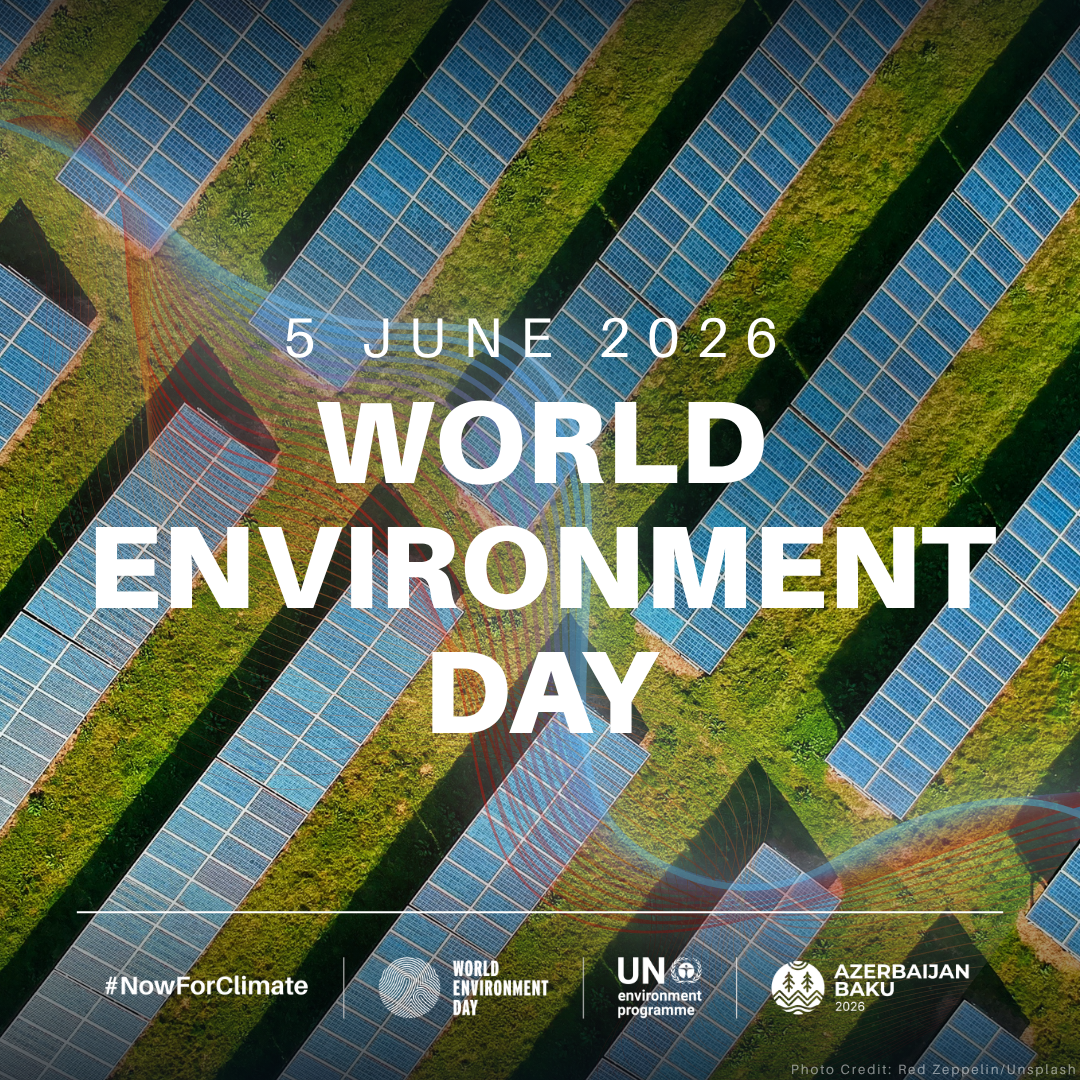
Picture Credit: https://www.un.org/
Under the Paris Agreement, states committed to working together to drastically reduce greenhouse gas emissions to prevent dangerous global warming.
The collective goal is to keep the increase in global temperatures well below 2°C, while pursuing efforts to limit it to 1.5°C above pre-industrial levels. Doing so, it is recognised would significantly reduce the harmful impacts of climate change on people and the planet. Yet despite those commitments, the world is increasingly crossing the very threshold it sought to avoid.
As a result, we are seeing rising temperatures, biodiversity loss, droughts, floods, pollution, and ecological disruption. These effects of climate change pose huge risks to life on the African continent – what then is to be done? Increasingly, the climate crisis is leading to attempts to provide stronger legal and constitutional responses. Law, correctly utilised, has the potential to accelerate climate justice while slowing biodiversity loss, air, textile, and plastic pollution, as well as reckless extractivism.
Encouragingly, legal systems are beginning to respond to the climate crisis. Across the world, and increasingly across Africa, Courts are being asked to define states’ climate obligations. New climate legislation is being adopted. Communities are invoking constitutional environmental rights, while young people continue to demand accountability, justice, and more ambitious climate action.
At the regional level, one of the most significant developments is the pending advisory opinion before the African Court on Human and Peoples' Rights on states’ obligations in the context of climate change. The advisory proceedings signal growing recognition that climate change is a constitutional, human rights, and climate justice issue in Africa.
The request for the advisory opinion gained significant momentum in 2025 following a petition led by the Pan African Lawyers Union and climate justice organisations seeking clarification of African states’ obligations in responding to the climate crisis. This year, amicus briefs and written observations were submitted by institutions including the Sabin Center for Climate Change Law and the African Committee of Experts on the Rights and Welfare of the Child, further illustrating how climate change is increasingly being framed through the lens of human rights and children’s rights law.
Recent developments across Ghana, Zimbabwe, Nigeria, and regional African institutions suggest that the continent is gradually moving from climate policy discourse toward climate legislation and climate governance. In May 2025, Zimbabwe introduced the Climate Change Management Bill HB 5 of 2025, a comprehensive framework mapping out the country’s climate ambitions. Similarly, Ghana enacted the Environmental Protection Act 2025, which includes a dedicated climate change chapter (secs 144-158) and mandates the Environmental Protection Agency to coordinate national climate responses and adaptation planning.
African courts are also increasingly becoming sites of climate governance. Recent litigation across Nigeria, Uganda, Kenya, and South Africa demonstrates that climate change is steadily entering African courtrooms through the language of constitutional rights, environmental governance, and state accountability. For instance, in South Africa, courts continue to scrutinise fossil fuel and extractive projects through a climate lens. In Green Connection NPC and Another v Minister of Forestry, Fisheries and the Environment and Others (2025), the Western Cape High Court set aside an expropriation permit linked to offshore oil exploration partly because climate-related impacts had not been adequately assessed. Similarly, in HEDA Resource Centre v Shell Petroleum Development Company & Others (2025), filed before the Federal High Court of Nigeria, the transfer of an oil exploration licence was challenged on environmental and climate-related grounds, with the applicants alleging non-compliance with statutory environmental assessment obligations.
In this light, and in line with the theme of the World Environment Day 2026 #ForClimateNow, African Law Matters invites blog contributions engaging with themes such as:
· Climate legislation and governance in Africa;
· Climate litigation in Africa;
. Constitutional environmental rights, the right to a healthy environment, and climate change;
· Climate adaptation, resilience, and disaster governance;
· Biodiversity and ecosystem protection;
· The intersection between climate law and protection for individual animals’ welfare and well-being;
· Extractivism, fossil fuel governance, and environmental justice;
· Just energy transitions in Africa;
· Indigenous knowledge and climate governance;
· Youth climate justice and intergenerational equity;
· Climate migration and displacement;
· Corporate environmental and climate accountability;
· Oceans, water governance, and food security.
If you wish to contribute to this special blog series, please submit your blog entry to submission@africanlawmatters.com. You can view the submission guidelines here.