

Our Blog
Categories
- AI Law
- Africa
- Africa Day
- African Union
- Botswana
- Cameroon
- Central Africa
- Citizenship laws
- Climate Change
- Competion Law
- Constitutional Court
- Constitutional Law
- Constitutional law
- Disability Rights
- Disability rights
- East Africa
- Egypt
- Environmental Law
- Environmental rights
- Equality
- Equality Law
- Gender Equality
- Governance
- Human Rights
- Human Rights Law
- ICJ Advisory Opinion
- Immigration Laws
- International Law
- Judicial Role
- Kenya
- Labour Law
- Mining Law
- Nigeria
- North Africa
- Political Rights
- Public International Law
- Public Law
- Right to Food
- Right to Vote
- SADC Region
- Socio economic rights
- South Africa
- Southern Africa
- Tax Justice
- Technology Law
- Uganda
- West Africa
- World Environment Day
- Year end anthology
- Zambia

Rethinking Equality in the Age of Artificial Intelligence: Beyond the Digital Divide in Africa
In this week’s post, Etoe Ruddy Carine Tchuekam argues that AI-driven inequality in Africa goes beyond the digital divide. When bias is embedded in data and algorithms, existing inequalities can be reproduced in ways that are difficult to see or challenge. She calls for a new approach to equality—one that is preventive, accountable, participatory, and equitable, ensuring that African women and marginalised communities help shape, and benefit from, Africa’s AI future.

Why African human rights law must not view neurodivergent people solely through the lens of disability
In this week's post, Prof Franaaz Khan argues that African human rights law should recognise neurodivergence as an equality issue, not merely a disability issue. Drawing on the African Charter, the Mali decision, and South Africa's Western Cape Forum case, the piece contends that the legal tools to protect neurodivergent people already exist. What is needed is a willingness to interpret equality more inclusively and ensure that those whose exclusion has long gone unseen receive meaningful legal protection.

Environmental Rights in Africa: Strengthening Human Rights through Ecological Justice
In this week's post, Amit, Anusreeta and Prerna explore how the African Commission on Human and Peoples' Rights is strengthening environmental rights through an emerging ecological justice framework. The trio argues that the Commission's environmental jurisprudence, particularly the landmark SERAC decision, moves beyond a purely human-centred approach by recognising the close relationship between environmental protection, human rights and sustainable development, while highlighting the urgent need for stronger implementation across Africa.
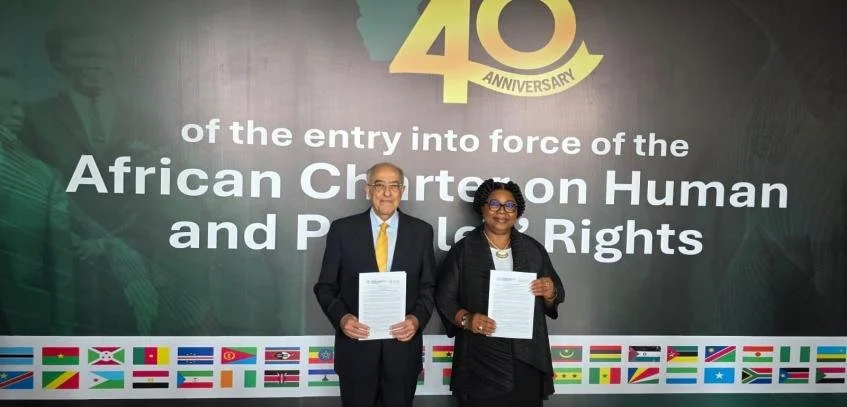
The Banjul Declaration on Sudan: When African-Led Accountability Risks Enabling Impunity
In this week’s post, Bhavya Johari discusses the legal and institutional implications of the 2026 Banjul Joint Declaration on Sudan, arguing that its proposal for an African-led accountability mechanism operating in “complementarity” with the International Criminal Court (ICC) is based on a misunderstanding of the Rome Statute’s complementarity regime. The post situates the Declaration within two significant developments: the ICC's landmark conviction and sentencing of Ali Kushayb in the Sudan situation, demonstrating the effectiveness of the Court’s Security Council referral mechanism, and the growing political backlash against the ICC reflected in the Alliance of Sahel States' planned withdrawal from the Rome Statute.
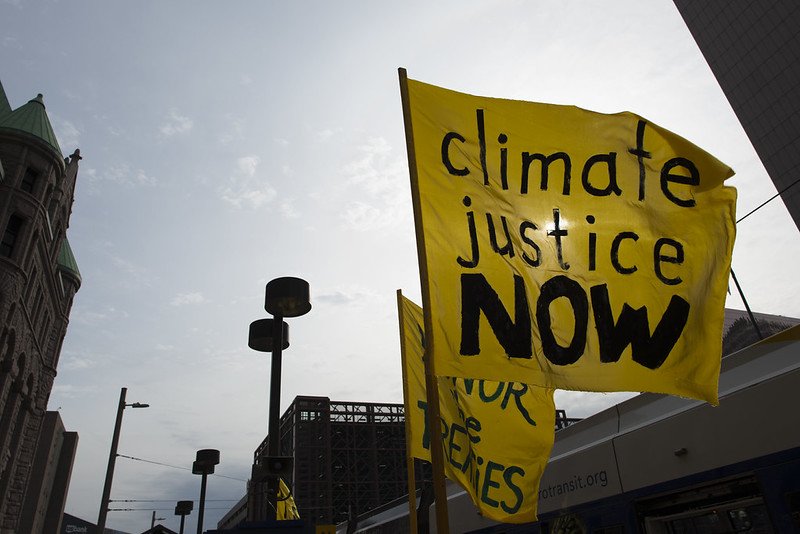
Nationally Determined Contributions and Discretion: Five lessons from the International Court of Justice
In this week’s post, Melanie Jean Murcott and Brewsters Caiphas Soyapi set out five lessons from the ICJ’s Advisory Opinion on Climate Change that are of relevance to African states in determining their obligations in respect of Nationally Determined Contributions (NDCs).They argue that on the whole the Paris Agreement should be understood as an instrument requiring States to exercise disciplined discretion in response to the realities of an increasingly warming planet.
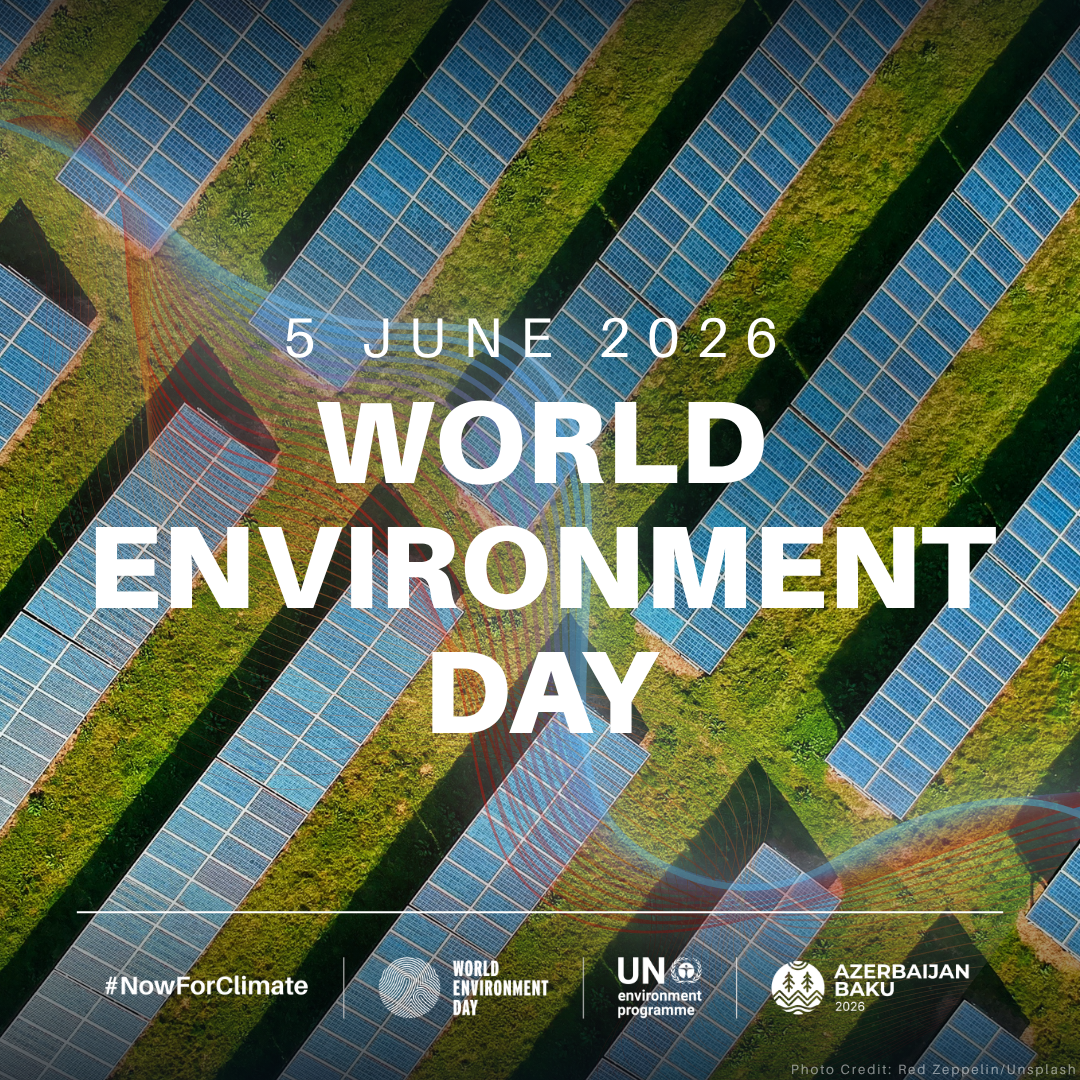
Evaluating African Legal Responses to the Climate Emergency
In observance of World Environmental Day, African Law Matters invites you to contribute to a special blog series.
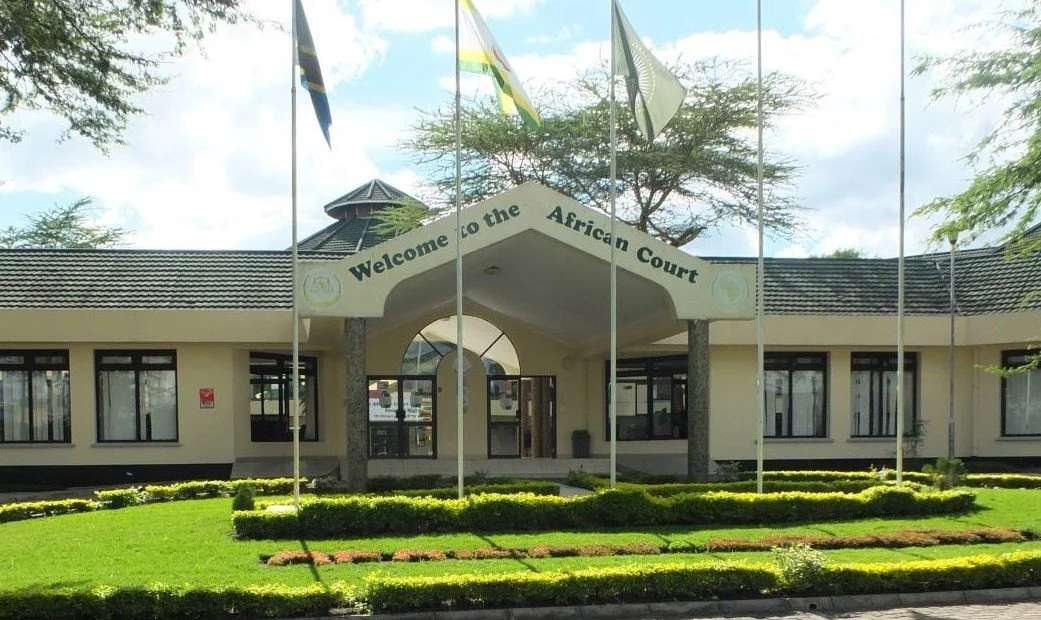
Africa's Climate Advisory Opinion: Framing Rights Through a Decolonial Lens
In this post, Bhavya Johari explores how the African Court of Human and People’s Rights climate advisory opinion presents a special jurisprudential opportunity to articulate climate obligations not through mitigation burdens, but through the protection of collective rights and the decolonisation of resource governance.

Climate reparations and the colonial continuum: Why Africa needs a Pan African agenda
In this week’s post, Dr. Patrick Toussaint, argues why Africa needs a Pan-African research agenda that tackles climate reparations and reparations for slavery, colonialism and racial exploitation in tandem. He explains why Africa’s vulnerability to climate change is not accidental but reflects deeper structural conditions shaped by centuries of colonial extraction and unequal development.
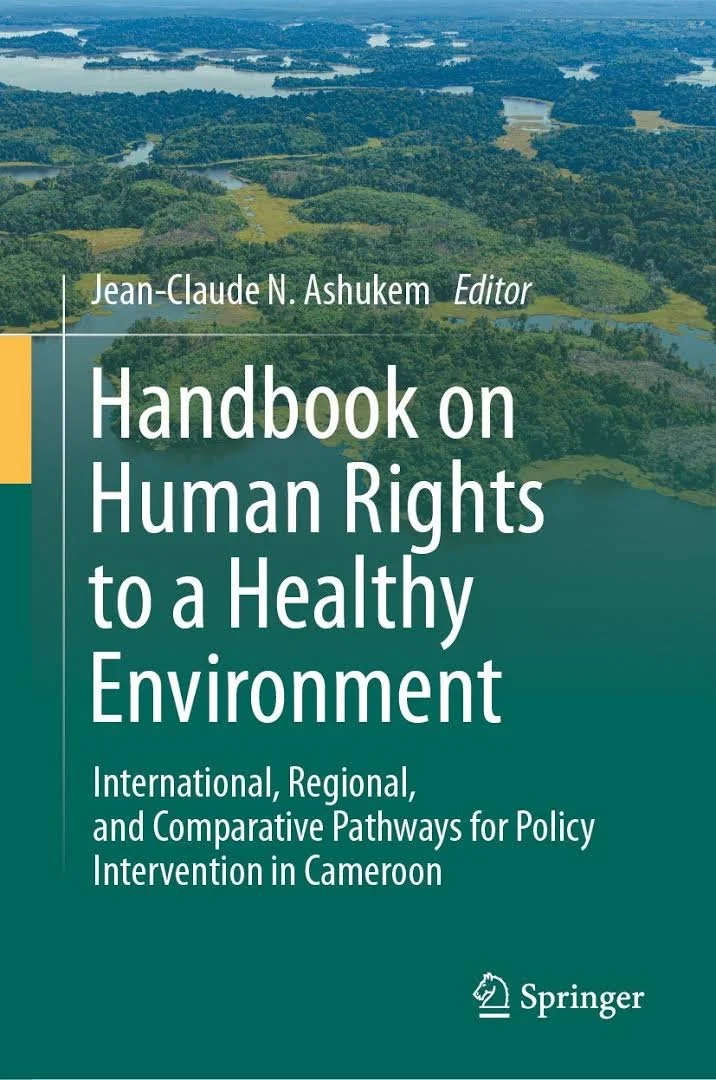
Book Feature: Handbook on Human Rights to a Healthy Environment International, Regional, and Comparative Pathways for Policy Intervention in Cameroon (2026), edited by Jean‑Claude N. Ashukem.
In this week’s post, African Law Matters sat down with Dr. Ashukem to discuss his recent publication, Handbook on Human Rights to a Healthy Environment: International, Regional, and Comparative Pathways for Policy Intervention in Cameroon. This important new contribution to the growing body of scholarship examines the intersection of human rights and environmental protection in Africa. While focused on Cameroon, it offers insights relevant across Africa.
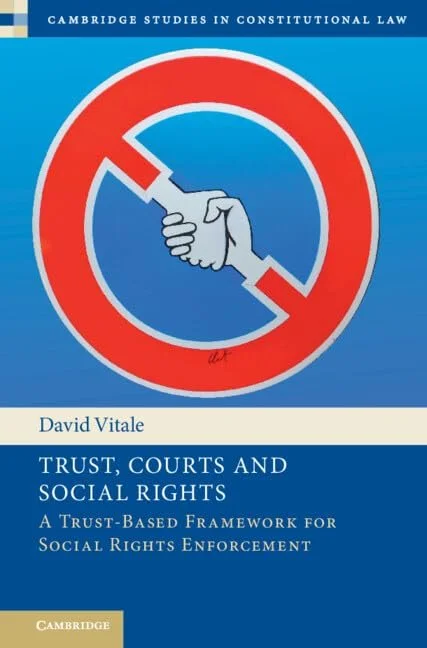
Book Feature: Trust, Courts and Social Rights: A Trust-Based Framework for Social Rights Enforcement( David Vitale)
In this week’s post, African Law Matters features an interview with Professor David Vital on his book, Trust Courts and Social Rights: A Trust-Based Framework for Social Rights Enforcement. The book proposes a compelling framework for the judicial enforcement of socio-economic rights grounded in the concept of political trust. Given its potential value for the enforcement of socio-economic rights on the African continent and its rich engagement with South Africa’s socio-economic rights jurisprudence, this conversation is particularly timely and valuable.

Ubuntu, Equity and the African Court’s Climate Justice Moment
In this week’s post, Caiphas Brewsters Soyapi argues that in its upcoming advisory opinion on climate change, the African Court of Justice should deploy the African principle of ‘Ubuntu’ to create a distinctly African approach to climate justice rooted in notions of equity and solidarity.

A Commentary on the Provisions of the African Union Convention for the Protection and Assistance of Internally Displaced Persons in Africa
In this post, Dr. Omotunde Enigbokan explains the importance of creating a detailed legal commentary on the Kampala Convention to help African states and institutions better understand, interpret, and implement its provisions for protecting and assisting internally displaced persons, as well as improving accountability, monitoring, and practical application across the continent.

Constitutionalisation of Political Parties and the State of Democracy in Sub-Saharan Africa
In this post, Johannes Socher and Prof. Charles M. Fombad, co-editors of the book Constitutionalisation of Political Parties and the State of Democracy in Sub-Saharan Africa, share the key findings and recommendations from the publication, offering insights on how to strengthen constitutional and legal frameworks governing political parties in the region.

Future African Generations and Intergenerational Climate Justice: Reflections on the ICJ Advisory Opinion
In this week’s post, Dr. Tracey Kanhanga examines how future generations of African descent are likely to be disproportionately affected by climate change, drawing on the International Court of Justice’s Advisory Opinion on climate obligations. She emphasises that the UN General Assembly’s second question to the ICJ—concerning future generations—is particularly relevant to Africa, where most of the world’s population will reside, yet where communities risk remaining trapped in a vicious cycle of vulnerability.
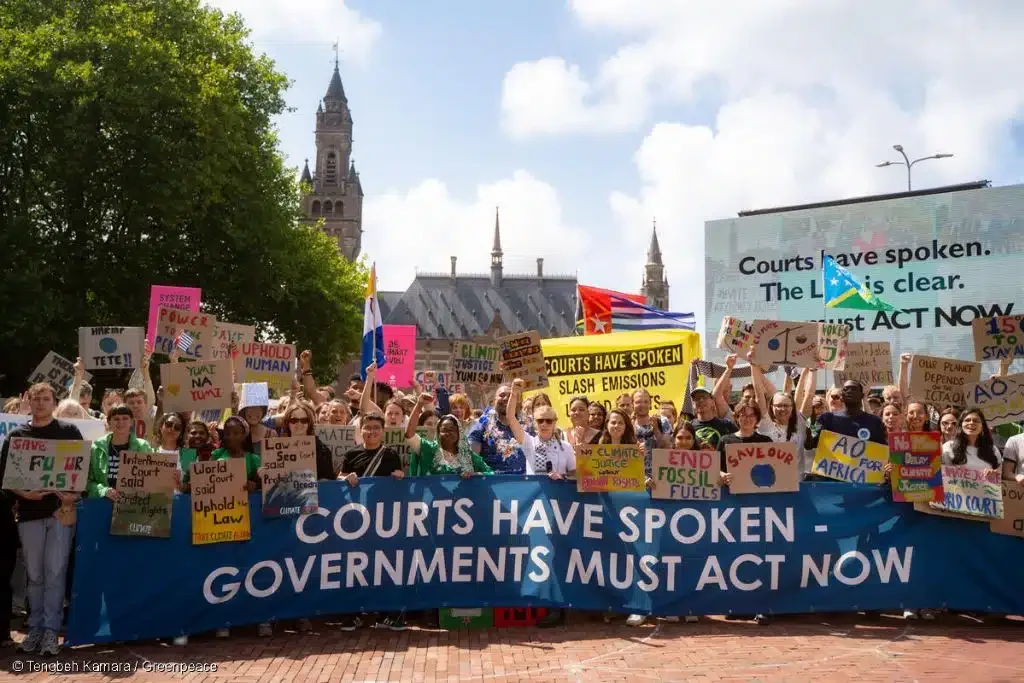
Navigating Ambition and Equity: What the ICJ’s Climate Advisory Opinion Means for Africa’s NDCs
In this week’s blog, Dr. Enam K. Antonio examines how the International Court of Justice’s Advisory Opinion on climate obligations reshapes Africa’s approach to its 2025 Nationally Determined Contributions (NDCs). She explains that the Court interprets “highest possible ambition” as a binding legal standard, not just a political goal, requiring states to align ambition with their real capacities.
- Africa
- African Commission
- Children's rights
- Climate Change
- Constitutional Court
- Constitutional Law
- Constitutional reform
- Democracy
- Elections
- Environmental Justice
- Environmental Law
- Equality
- Human Rights
- International Law
- Kenya
- LGBTQ+ Rights
- Migration
- Namibia
- Nigeria
- Public participation
- Refugee and migration series
- Refugees
- Socio-economic rights
- South Africa
- South African Constitution
- Ubuntu
- Women in Africa
- Women's Month
- Women's rights
- World Congress
Submissions
We welcome unsolicited submissions covering current legal developments in constitutional law, fundamental rights law, public law, international law and related fields.