
Our Blog
Categories
- AI Law
- Africa
- Africa Day
- African Union
- Botswana
- Cameroon
- Central Africa
- Citizenship laws
- Climate Change
- Competion Law
- Constitutional Court
- Constitutional Law
- Constitutional law
- Disability Rights
- Disability rights
- East Africa
- Egypt
- Environmental Law
- Environmental rights
- Equality
- Equality Law
- Gender Equality
- Governance
- Human Rights
- Human Rights Law
- ICJ Advisory Opinion
- Immigration Laws
- International Law
- Judicial Role
- Kenya
- Labour Law
- Mining Law
- Nigeria
- North Africa
- Political Rights
- Public International Law
- Public Law
- Right to Food
- Right to Vote
- SADC Region
- Socio economic rights
- South Africa
- Southern Africa
- Tax Justice
- Technology Law
- Uganda
- West Africa
- World Environment Day
- Year end anthology
- Zambia
Environmental Rights in Africa: Strengthening Human Rights through Ecological Justice
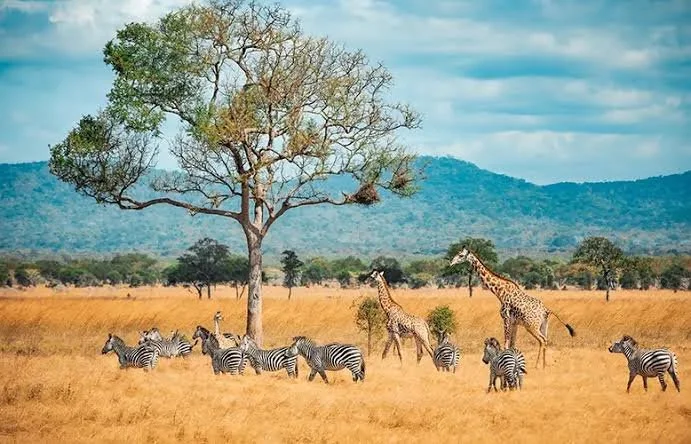
In this week's post, Amit, Anusreeta and Prerna explore how the African Commission on Human and Peoples' Rights is strengthening environmental rights through an emerging ecological justice framework. The trio argues that the Commission's environmental jurisprudence, particularly the landmark SERAC decision, moves beyond a purely human-centred approach by recognising the close relationship between environmental protection, human rights and sustainable development, while highlighting the urgent need for stronger implementation across Africa.
The Stilfontein Tragedy: A Grim Example of the Cost of Unfinished Business
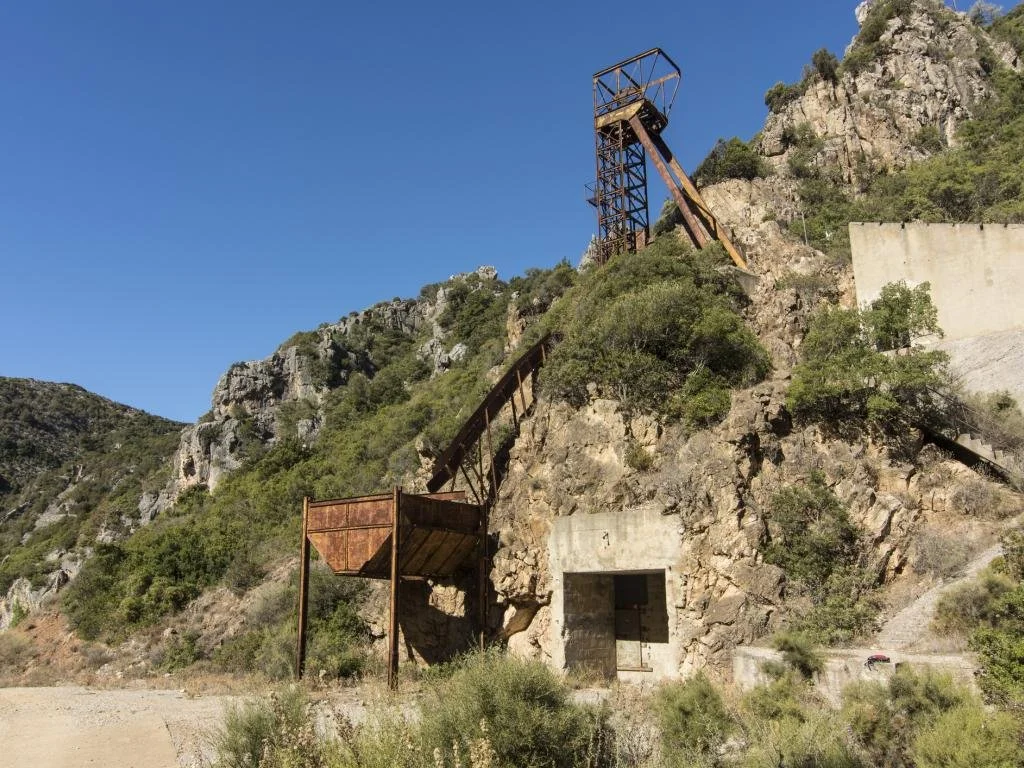
In this week’s post, Thato Gaffane reflects on the Stilfontein tragedy, which resulted in the deaths of more than 80 miners, as well as the deliberate starvation and dehydration of many others at Buffelsfontein Gold Mine (BGM) in Stilfontein, North West. Gaffane highlights that this unfortunate incident was caused by improper mine closure, despite the existence of a legal framework that imposes clear and enforceable duties to plan, fund, and implement mine closure.
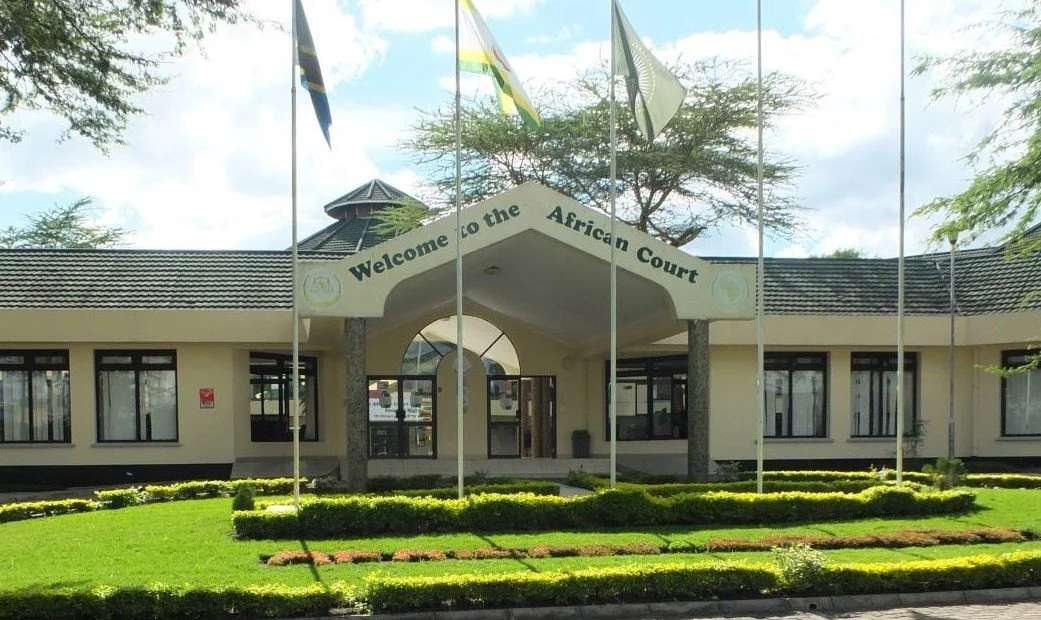
Africa's Climate Advisory Opinion: Framing Rights Through a Decolonial Lens
In this post, Bhavya Johari explores how the African Court of Human and People’s Rights climate advisory opinion presents a special jurisprudential opportunity to articulate climate obligations not through mitigation burdens, but through the protection of collective rights and the decolonisation of resource governance.
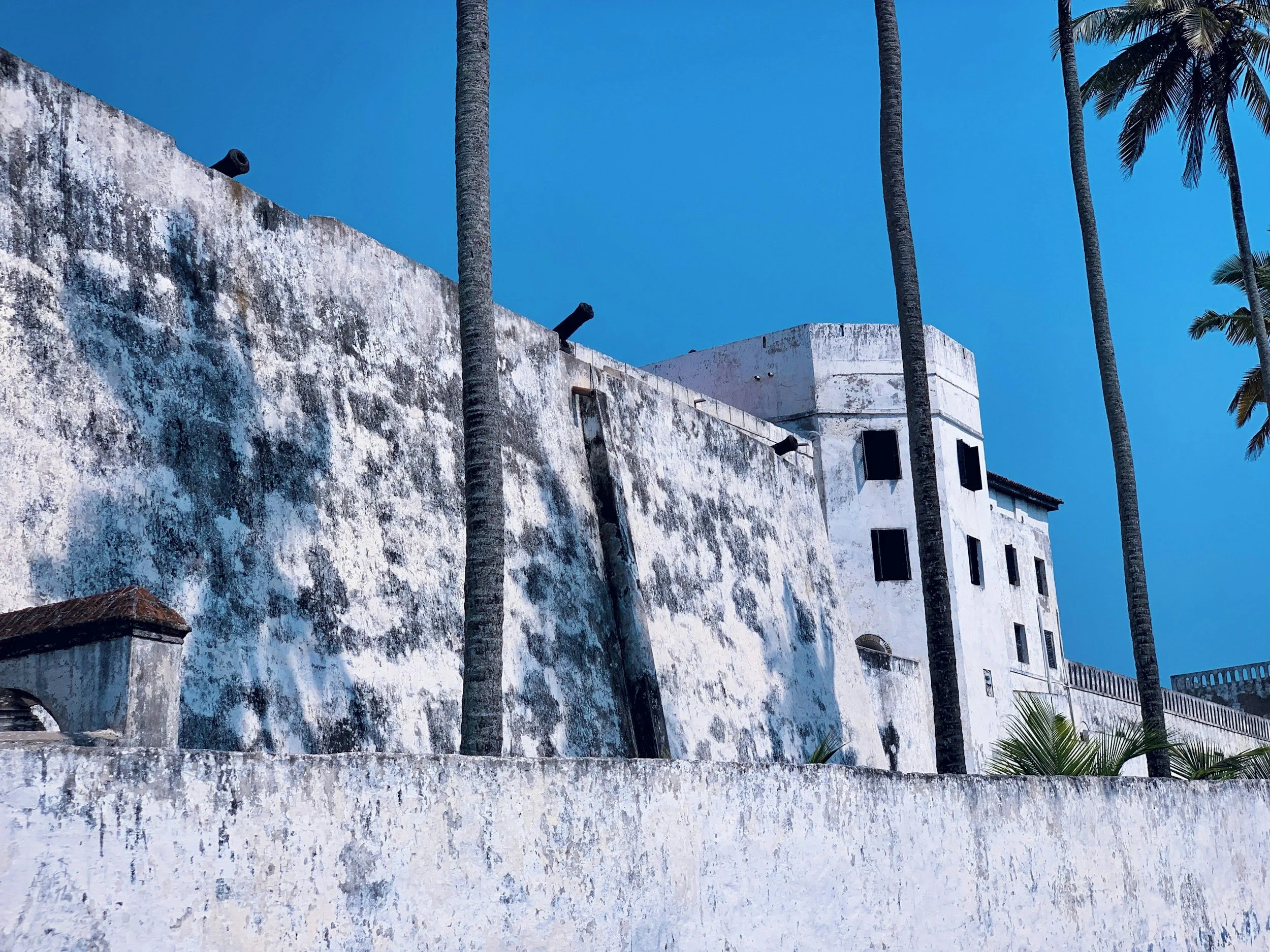
Climate reparations and the colonial continuum: Why Africa needs a Pan African agenda
In this week’s post, Dr. Patrick Toussaint, argues why Africa needs a Pan-African research agenda that tackles climate reparations and reparations for slavery, colonialism and racial exploitation in tandem. He explains why Africa’s vulnerability to climate change is not accidental but reflects deeper structural conditions shaped by centuries of colonial extraction and unequal development.
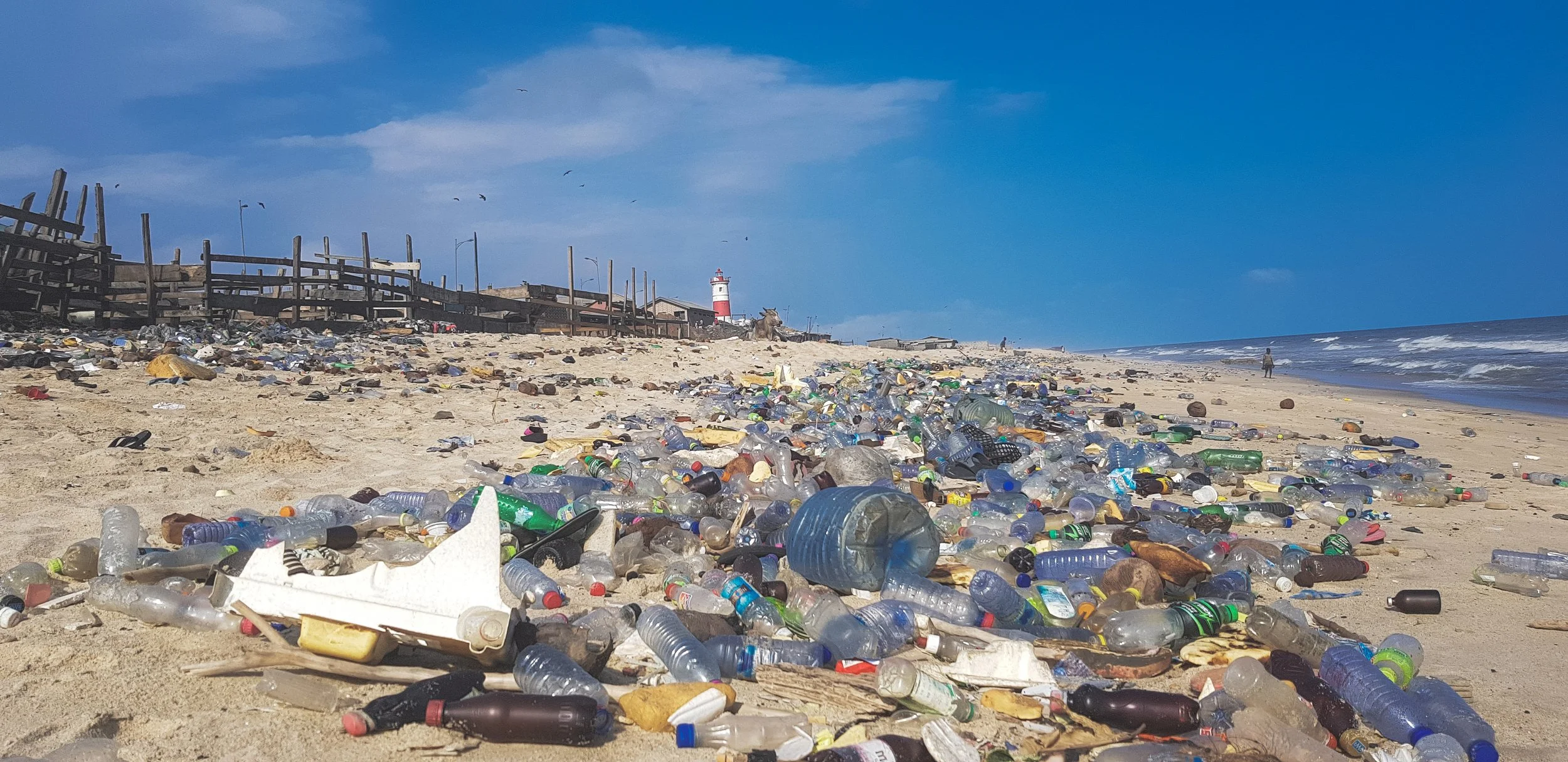
Consumer-focused Strategies Pertaining to Plastic Pollution Reduction in South Africa
In this week’s post, Michelle Barnard examines who should bear responsibility for plastic pollution in South Africa, focusing on producers and consumers within the framework of Sustainable Development Goal 12. She analyses existing legal and policy instruments, including extended producer responsibility and recycling initiatives, and highlights gaps in consumer-focused strategies. In this piece, she argues for a more balanced approach that combines producer obligations with stronger consumer-driven measures to effectively reduce plastic waste.

African Communities Call for a Binding Treaty That Ends Corporate Impunity
In this week’s post, Ezile Madlala reports on the 7th Annual Regional Binding Treaty Indaba held in Johannesburg last month. During the event, mining-affected communities, civil society and African state representatives pushed for a binding international treaty on business and human rights, highlighted barriers to participation in treaty negotiations, and stressed the need for African-led solutions.

SA’s Contradictory Stance on Climate Change: The UPRDA is Turning a Blind Eye on the Climate Crisis
In this week’s AML blog piece, Wandile observes that South Africa’s Climate Change Act represents a step forward in aligning the country with global climate commitments. However, he notes that the recently enacted Upstream Petroleum Resources Development Act undermines this progress by promoting the exploration of fossil fuels. He argues that this contradiction threatens environmental rights, deepens inequality, and reveals a troubling disconnect between South Africa’s climate goals and its fossil fuel-driven development agenda.

One Step Forward, Seismic Steps Back: On the Battle Over South Africa’s Wild Coast
In this week’s post Celiwe examines the Sustaining the Wild Coast cases, where South Africa’s courts evaluated the lawfulness of Shell and Impact's seismic exploration rights along the Wild Coast. While the High Court suspended the exploration due to insufficient consultation with affected communities and environmental concerns, the Supreme Court of Appeal overturned the decision, emphasizing foreign investment. The article highlights the legal tension between corporate interests, environmental protection, and marginalized communities’ rights

Protecting Eco-frontiers: Carbon Majors in Africa’s Untapped Lands
In a capitalist construct, the environment is viewed as a commodity with zero opportunity cost, and over the years capitalism has given rise to severe environmental degradation. In this week’s post, Professor Soyapi focuses on capitalism and the environment. He discusses carbon majors' contribution to environmental degradation in Africa. The environment is everybody's responsibility to protect hence the observation that communities have the key to challenging future state-sanctioned carbon major projects that threaten African eco-frontiers.
- Africa
- African Commission
- Children's rights
- Climate Change
- Constitutional Court
- Constitutional Law
- Constitutional reform
- Democracy
- Elections
- Environmental Justice
- Environmental Law
- Equality
- Human Rights
- International Law
- Kenya
- LGBTQ+ Rights
- Migration
- Namibia
- Nigeria
- Public participation
- Refugee and migration series
- Refugees
- Socio-economic rights
- South Africa
- South African Constitution
- Ubuntu
- Women in Africa
- Women's Month
- Women's rights
- World Congress
Submissions
We welcome unsolicited submissions covering current legal developments in constitutional law, fundamental rights law, public law, international law and related fields.