
Our Blog
Categories
- AI Law
- Africa
- Africa Day
- African Union
- Botswana
- Cameroon
- Central Africa
- Citizenship laws
- Climate Change
- Competion Law
- Constitutional Court
- Constitutional Law
- Constitutional law
- Disability Rights
- Disability rights
- East Africa
- Egypt
- Environmental Law
- Environmental rights
- Equality
- Equality Law
- Gender Equality
- Governance
- Human Rights
- Human Rights Law
- ICJ Advisory Opinion
- Immigration Laws
- International Law
- Judicial Role
- Kenya
- Labour Law
- Mining Law
- Nigeria
- North Africa
- Political Rights
- Public International Law
- Public Law
- Right to Food
- Right to Vote
- SADC Region
- Socio economic rights
- South Africa
- Southern Africa
- Tax Justice
- Technology Law
- Uganda
- West Africa
- World Environment Day
- Year end anthology
- Zambia
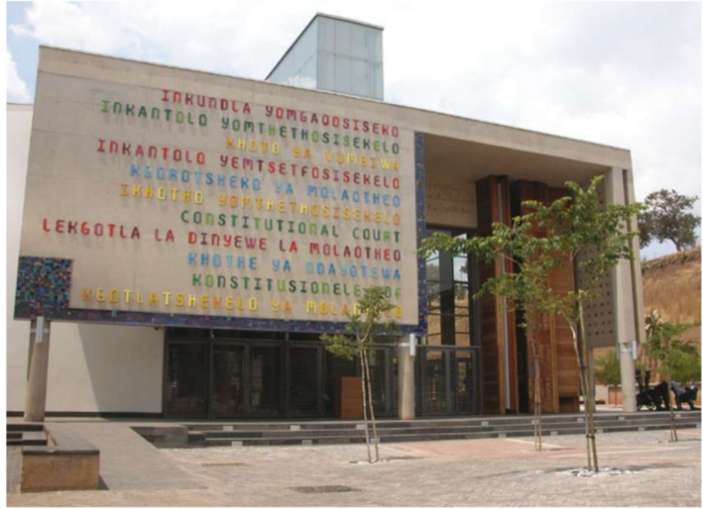
Language Rights, Transformation and the Constitution: What AfriForum v University of the Free State Still Teaches Us
In this week’s post, Professor Roxan Laubscher analyses the Constitutional Court’s approach to language rights in higher education, focusing on AfriForum v University of the Free State and related cases. The article examines how transformation, equality, and access have shaped judicial interpretation of section 29(2), and questions the impact of this approach on multilingualism, indigenous languages, and inclusive language policy in South Africa.
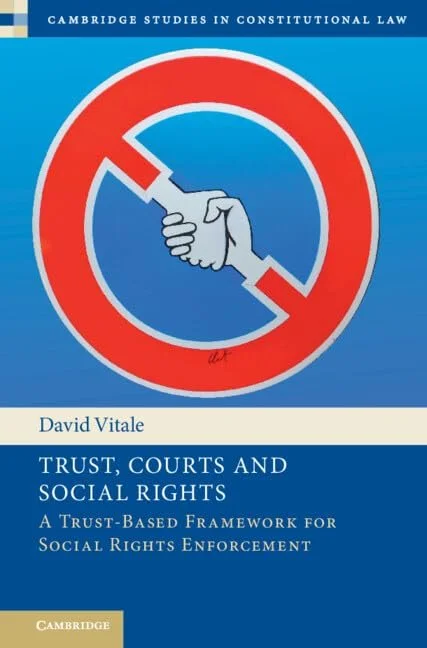
Book Feature: Trust, Courts and Social Rights: A Trust-Based Framework for Social Rights Enforcement( David Vitale)
In this week’s post, African Law Matters features an interview with Professor David Vital on his book, Trust Courts and Social Rights: A Trust-Based Framework for Social Rights Enforcement. The book proposes a compelling framework for the judicial enforcement of socio-economic rights grounded in the concept of political trust. Given its potential value for the enforcement of socio-economic rights on the African continent and its rich engagement with South Africa’s socio-economic rights jurisprudence, this conversation is particularly timely and valuable.

In Peril: How the Traditional and Khoi-San Leadership Bill 2024 Continues to Threaten Informal Land Rights and Rural Democracy
In this blog post, Wandile Brian Zondo argues that the Traditional and Khoi-San Leadership Bill 2024 is constitutionally problematic and continues to threaten informal land rights and rural democracy in South Africa.

“Sangwa Says” Contextualising what the Zambian Constitutional Court says about the financial independence of the judiciary
In this post, Nicholas Herd examines the Zambian Constitutional Court’s Sangwa judgment, placing it within broader discussions on judicial independence and its importance in upholding the rule of law. Drawing lessons for constitutional democracies, he links the judgment to South Africa, where the judiciary struggles with institutional independence due to reliance on the executive for funding, staffing, and logistical support. This dependency grants the executive significant influence, raising concerns about impartiality and undermining the judiciary's independence.
- Africa
- African Commission
- Children's rights
- Climate Change
- Constitutional Court
- Constitutional Law
- Constitutional reform
- Democracy
- Elections
- Environmental Justice
- Environmental Law
- Equality
- Human Rights
- International Law
- Kenya
- LGBTQ+ Rights
- Migration
- Namibia
- Nigeria
- Public participation
- Refugee and migration series
- Refugees
- Socio-economic rights
- South Africa
- South African Constitution
- Ubuntu
- Women in Africa
- Women's Month
- Women's rights
- World Congress
Submissions
We welcome unsolicited submissions covering current legal developments in constitutional law, fundamental rights law, public law, international law and related fields.