
Our Blog
Categories
- AI Law
- Africa
- Africa Day
- African Union
- Botswana
- Cameroon
- Central Africa
- Citizenship laws
- Climate Change
- Competion Law
- Constitutional Court
- Constitutional Law
- Constitutional law
- Disability Rights
- Disability rights
- East Africa
- Egypt
- Environmental Law
- Environmental rights
- Equality
- Equality Law
- Gender Equality
- Governance
- Human Rights
- Human Rights Law
- ICJ Advisory Opinion
- Immigration Laws
- International Law
- Judicial Role
- Kenya
- Labour Law
- Mining Law
- Nigeria
- North Africa
- Political Rights
- Public International Law
- Public Law
- Right to Food
- Right to Vote
- SADC Region
- Socio economic rights
- South Africa
- Southern Africa
- Tax Justice
- Technology Law
- Uganda
- West Africa
- World Environment Day
- Year end anthology
- Zambia
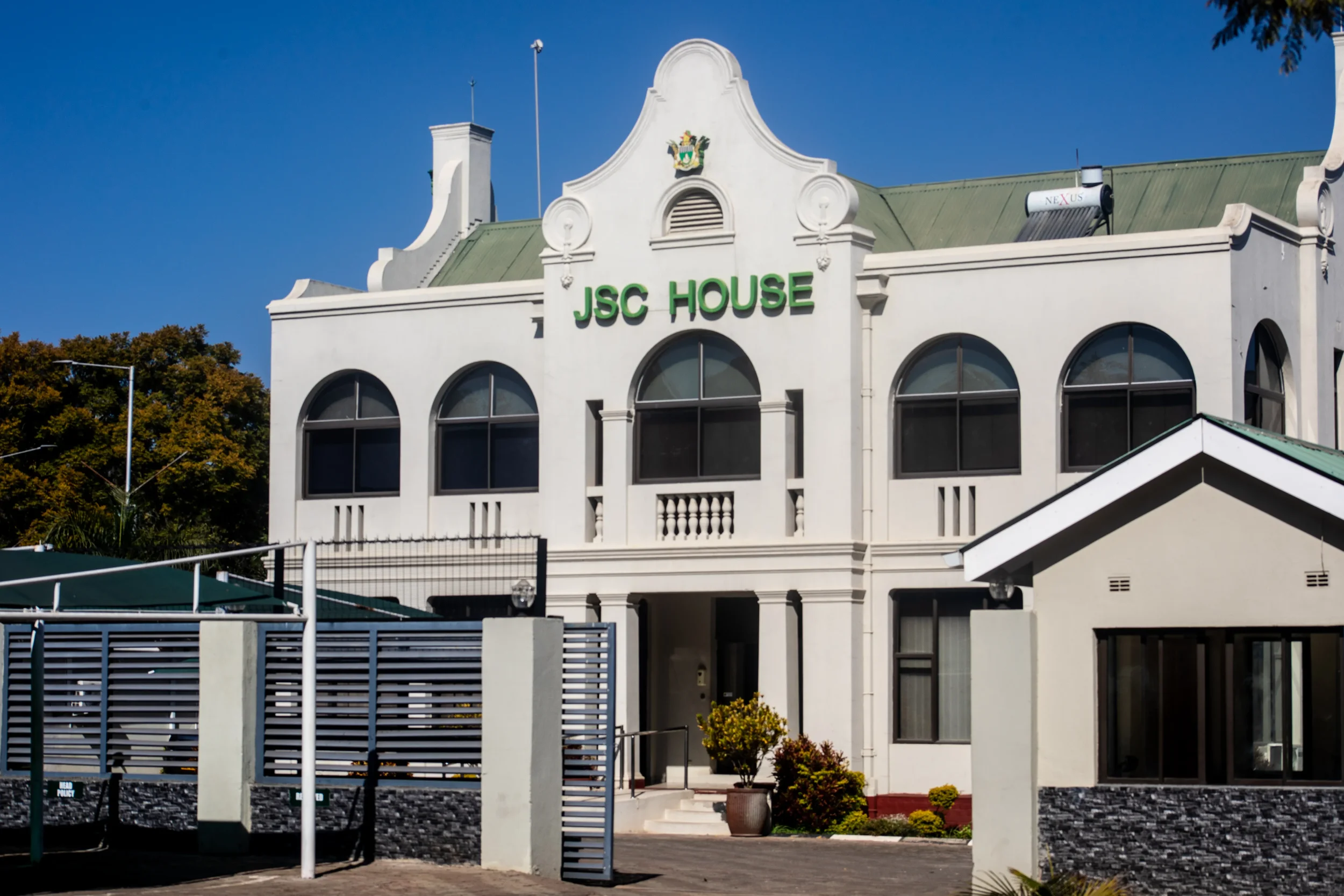
What Zimbabwe’s Constitution Amendment No. 3 Means for Judicial Independence
In this week's post, Nqobani Nyathi examines Zimbabwe's newly enacted Constitution of Zimbabwe Amendment (No. 3) Act, which abolishes public interviews for judicial appointments. He argues that vesting the President with the sole appointment power after mere consultation with the Judicial Service Commission expands executive discretion at precisely the point where the 2013 Constitution sought to constrain it, marking the culmination of a decade-long pattern of amendments that have progressively weakened judicial independence in Zimbabwe.
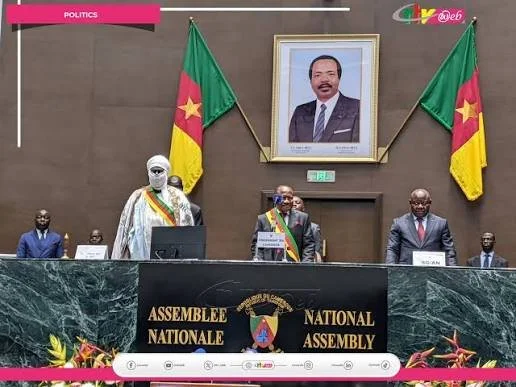
Cameroon’s New Vice Presidency: Interrogating the Constitutionality and Democratic Quality of the Presidential Succession Framework
In this week’s post, Laura-Stella Enonchong examines Cameroon’s newly amended presidential succession framework following the reintroduction of the Vice President position. She argues that vesting the President with the power to appoint and dismiss a constitutional successor raises profound constitutional and democratic concerns, while reflecting a broader pattern of constitutional amendments that have progressively expanded presidential power in Cameroon.
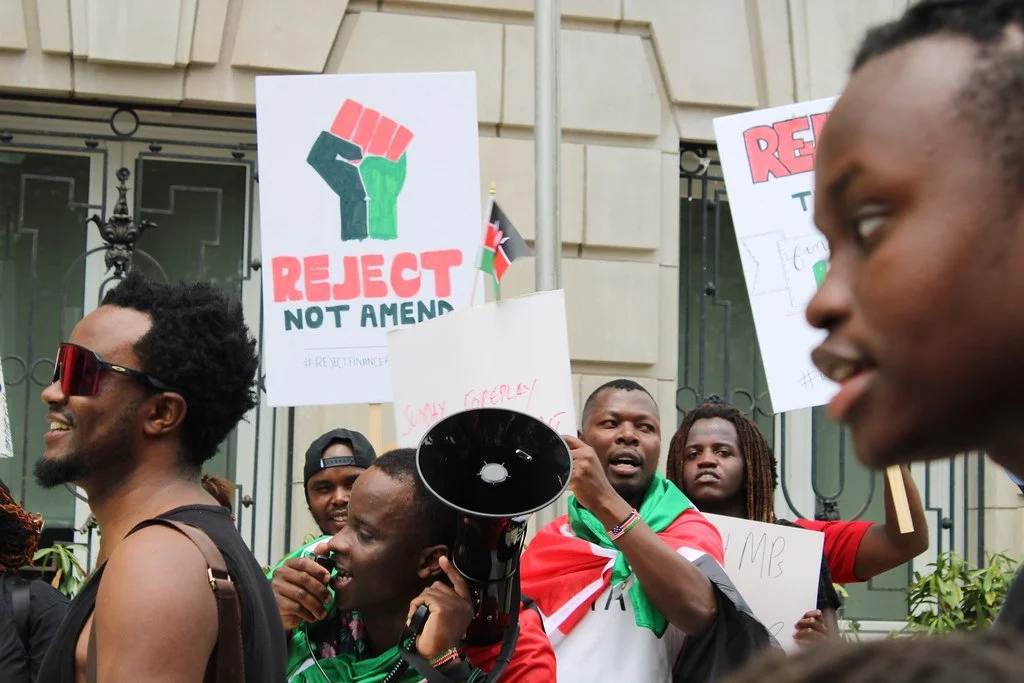
Kenya’s Sharpeville Moment? June 25 and the Road Ahead
In this week’s post, In this week’s article, Ben Nyabira reflects on the second anniversary of Kenya’s June 25 Gen Z-led protests and examines whether they can become a catalyst for lasting democratic transformation. Drawing insightful parallels with South Africa’s Sharpeville protests, he explores the movement’s achievements, challenges, and enduring significance for governance, accountability, and human rights. The article asks whether June 25 will ultimately be remembered as a turning point in Kenya’s democratic journey or a missed opportunity for reform.
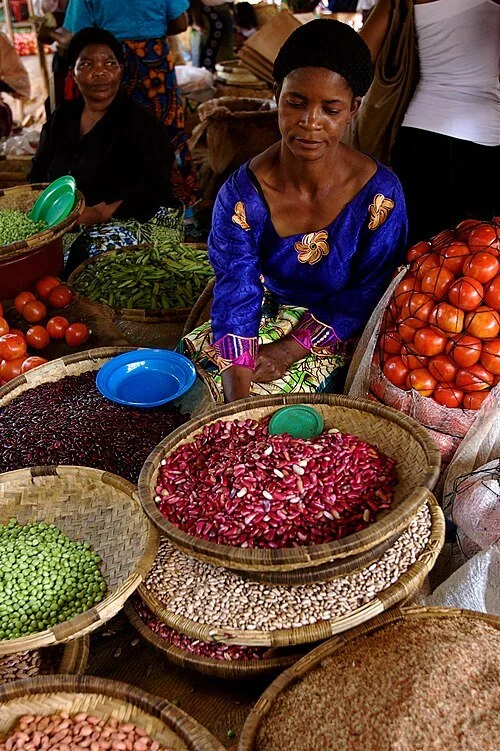
The Constitutional Right to Food in South Africa: What Lived Realities Reveal about Gaps in Law and Practice
In this week’s contribution, Yvonne reflects on the gap between the constitutional right to food and the lived realities of hunger and food insecurity in South Africa. Drawing on submissions made to the National Inquiry into the Food Systems of South Africa conducted by the South African Human Rights Commission, the article explores the structural causes of food insecurity, including inadequate wages, corporate concentration in the food system, unequal land ownership, and weaknesses in social protection. The piece also considers the legal and policy gaps that continue to undermine the realisation of the right to food, and calls for stronger accountability, improved enforcement, and more coordinated governance responses.
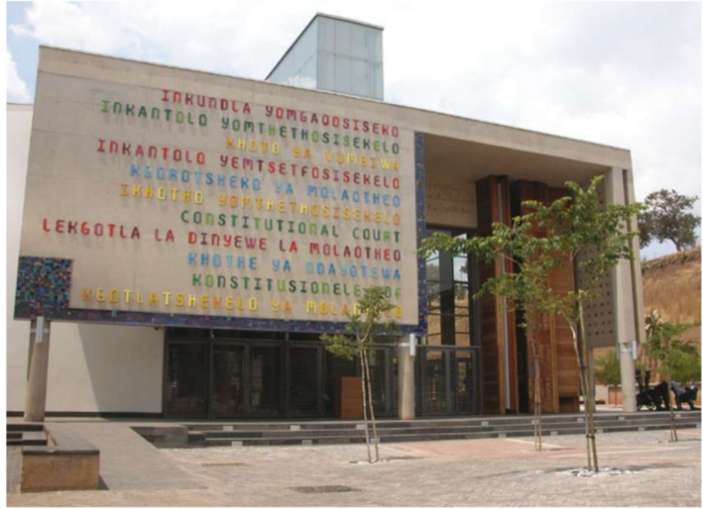
Language Rights, Transformation and the Constitution: What AfriForum v University of the Free State Still Teaches Us
In this week’s post, Professor Roxan Laubscher analyses the Constitutional Court’s approach to language rights in higher education, focusing on AfriForum v University of the Free State and related cases. The article examines how transformation, equality, and access have shaped judicial interpretation of section 29(2), and questions the impact of this approach on multilingualism, indigenous languages, and inclusive language policy in South Africa.

Constitutionalisation of Political Parties and the State of Democracy in Sub-Saharan Africa
In this post, Johannes Socher and Prof. Charles M. Fombad, co-editors of the book Constitutionalisation of Political Parties and the State of Democracy in Sub-Saharan Africa, share the key findings and recommendations from the publication, offering insights on how to strengthen constitutional and legal frameworks governing political parties in the region.

Thirty-Five Years Later: Why Namibia Must Now Choose Ubuntu’s Soul
In this post, Dunia P. Zongwe reflects on 35 years of Namibia’s Constitution. He looks back at its achievements and challenges, and then turns to the future—imagining a shift from the current liberal Bill of Rights towards a decolonial Bill of Rights and vision of constitutionalism grounded in Ubuntu.

Bwanya v Master: A Trampling of Precedent or an Evolution of Stare Decisis?
Drawing on her publication in CCR XIV, Prof. Fatima Osman examines the South African Constitutional Court's decision to depart from the precedent set in Volks v Robinson, where the court held that unmarried partners who chose not to marry could not claim maintenance under the Maintenance of Surviving Spouses Act (MSSA). In Bwanya, the court declared provisions of the Intestate Succession Act (ISA) and MSSA unconstitutional insofar as they excluded life partners who had undertaken reciprocal duties of support.
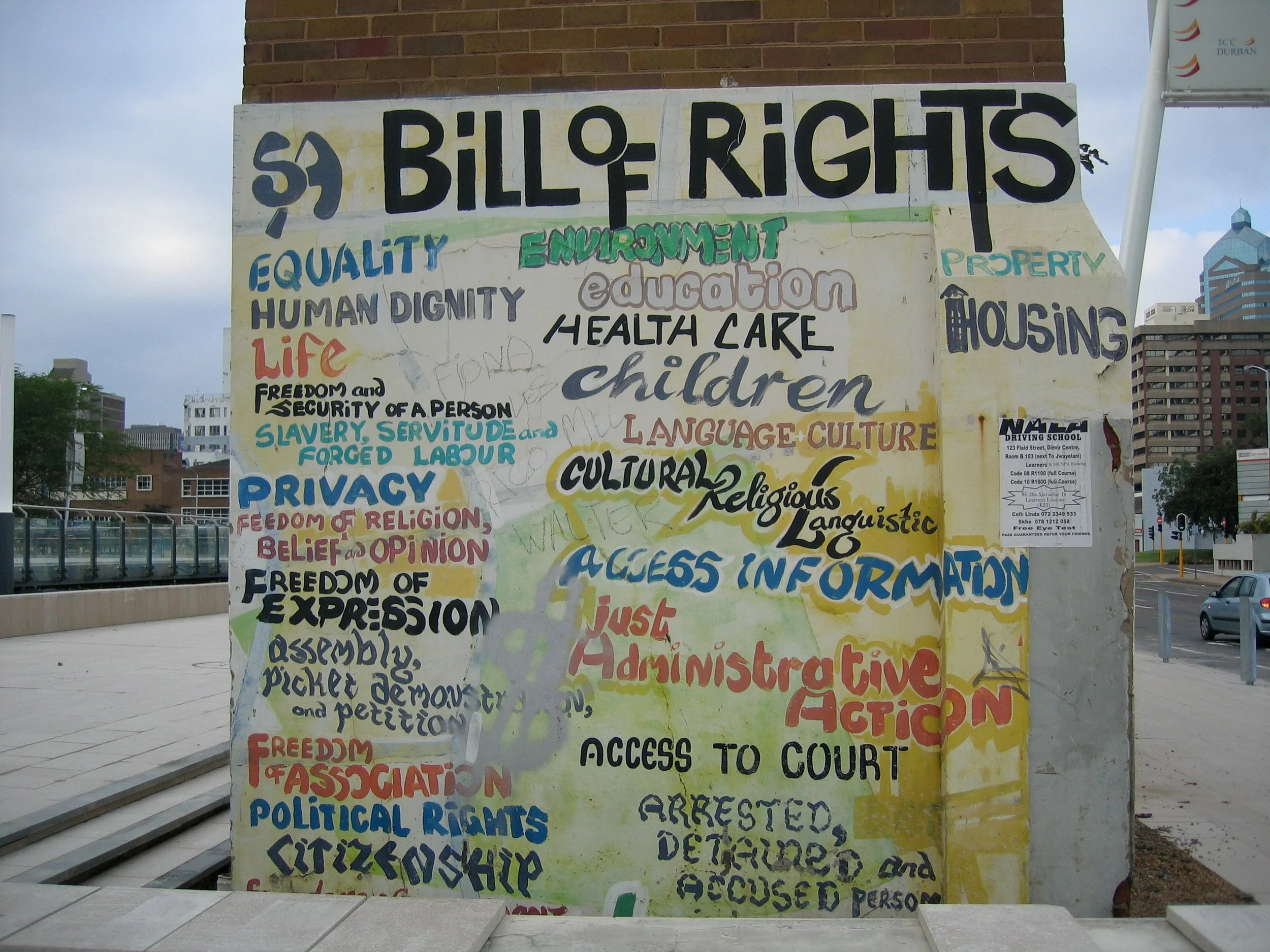
Poverty as a Ground in South Africa and India
Ahead of her upcoming publication in CCR XIV, Dr Rishika Sahgal analyses and critiques two cases decided by the apex courts in India and South Africa in 2022, Janhit Abhiyan and Social Justice Coalition. These cases reveal that even when poverty is recognised as a ground within equality law, several tensions or barriers to achieving substantive equality for the impoverished may arise.

South Africa’s Government of National Unity: Power Sharing in a Fractured Democracy
In this article, Nico Steytler discusses the implications of South Africa's 2024 elections, which saw the ANC lose its parliamentary majority for the first time in 30 years and the formation of a Government of National Unity (GNU). Steytler examines whether this shift will strengthen democracy and federalism or deepen existing divisions, as the nation grapples with entrenched inequality and the challenges of collaborative governance.

Bark Without Bite? Considering and Clarifying the SAHRC’s Competence
In this post, Nicholas Herd examines the Supreme Court of Appeal (SCA)'s judgment in SAHRC v Agro Data, where the court unanimously rejected the South African Human Rights Commission's (SAHRC) claim that it possesses the authority to issue binding directives. He also explores the Commission's prospects of success in its appeal to the Constitutional Court, challenging the SCA's decision.

The Constitutional Court's Docket – January to July 2024
In this week’s post, Nurina Ally and others offer an overview of the Constitutional Court’s operations, shedding light on aspects of the Court's work that rarely receive attention. Their analysis captures the bigger picture and highlights some of the unique challenges the Court encounters.

Sexual Offences Will Never Be The Same Again
Lee-Anne Germanos Manuel discusses the significance of The Embrace Project v Minister of Justice and Correctional Service, in which the applicants successfully challenged the constitutionality of certain provisions relating to consent-based sexual offences in the Criminal Law (Sexual Offences and Related Matters) Act 32 of 2007 in the High Court of South Africa. The constitutional challenge focused on the element of criminal intent and its effect on consent and now awaits confirmation by the Constitutional Court.

A Shortage of Justice(s) and Expertise at the Constitutional Court
In this article, Lauren Loxton offers a critical analysis of the Judicial Service Commission of South Africa's approach to interviewing and selecting candidates for Constitutional Court appointments, highlighting the risks posed by the absence of adequate judicial expertise needed to handle appeals in intricate and specialized areas of law.

Book Feature: Landmark Constitutional Cases that Changed South Africa (Roxan Laubscher and Marthinus van Staden)
This week's blog post highlights a book feature. We had a conversation with Associate Professors Roxan Laubscher and Martinus van Staden about their recent publication, which explores landmark legal cases in South Africa's constitutional history. The book delves into these cases' effects on the nation's legal and social landscape, offering an in-depth analysis of key court decisions and their broader implications for justice and governance in South Africa.
- Africa
- African Commission
- Children's rights
- Climate Change
- Constitutional Court
- Constitutional Law
- Constitutional reform
- Democracy
- Elections
- Environmental Justice
- Environmental Law
- Equality
- Human Rights
- International Law
- Kenya
- LGBTQ+ Rights
- Migration
- Namibia
- Nigeria
- Public participation
- Refugee and migration series
- Refugees
- Socio-economic rights
- South Africa
- South African Constitution
- Ubuntu
- Women in Africa
- Women's Month
- Women's rights
- World Congress
Submissions
We welcome unsolicited submissions covering current legal developments in constitutional law, fundamental rights law, public law, international law and related fields.