
Our Blog
Categories
- AI Law
- Africa
- Africa Day
- African Union
- Botswana
- Cameroon
- Central Africa
- Citizenship laws
- Climate Change
- Competion Law
- Constitutional Court
- Constitutional Law
- Constitutional law
- Disability Rights
- Disability rights
- East Africa
- Egypt
- Environmental Law
- Environmental rights
- Equality
- Equality Law
- Gender Equality
- Governance
- Human Rights
- Human Rights Law
- ICJ Advisory Opinion
- Immigration Laws
- International Law
- Judicial Role
- Kenya
- Labour Law
- Mining Law
- Nigeria
- North Africa
- Political Rights
- Public International Law
- Public Law
- Right to Food
- Right to Vote
- SADC Region
- Socio economic rights
- South Africa
- Southern Africa
- Tax Justice
- Technology Law
- Uganda
- West Africa
- World Environment Day
- Year end anthology
- Zambia
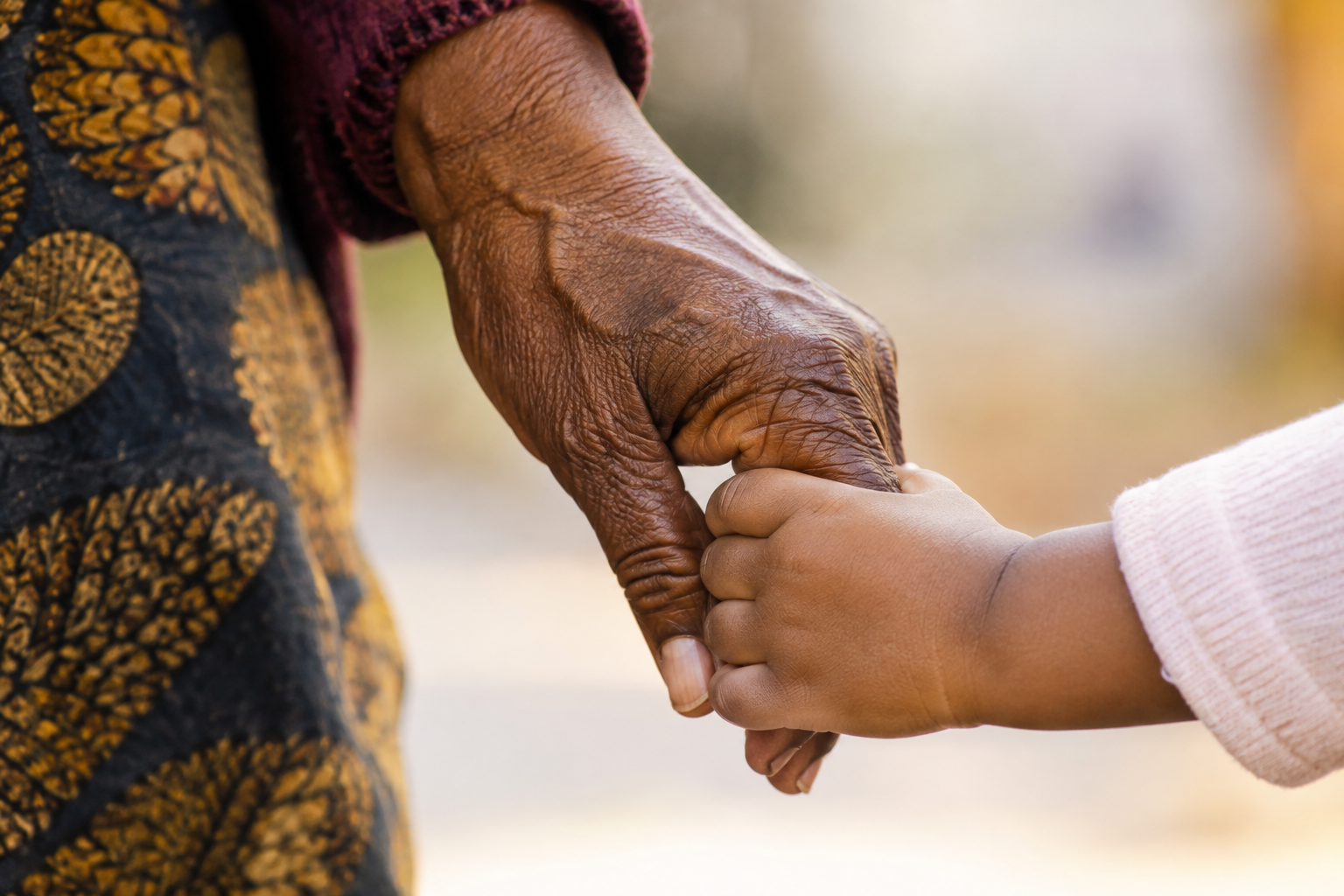
Parental Leave in South Africa: The Grandmother that Labour Law cannot See
In this week’s post, Marthinus van Staden and Grey Stopforth expose a blind spot in South African labour law: grandparents and other caregivers may shoulder the day-to-day work of raising children, however they remain excluded from parental leave. The authors argue that African regional instruments already highlight the need to support caregivers. It is national labour law that needs to catch up.
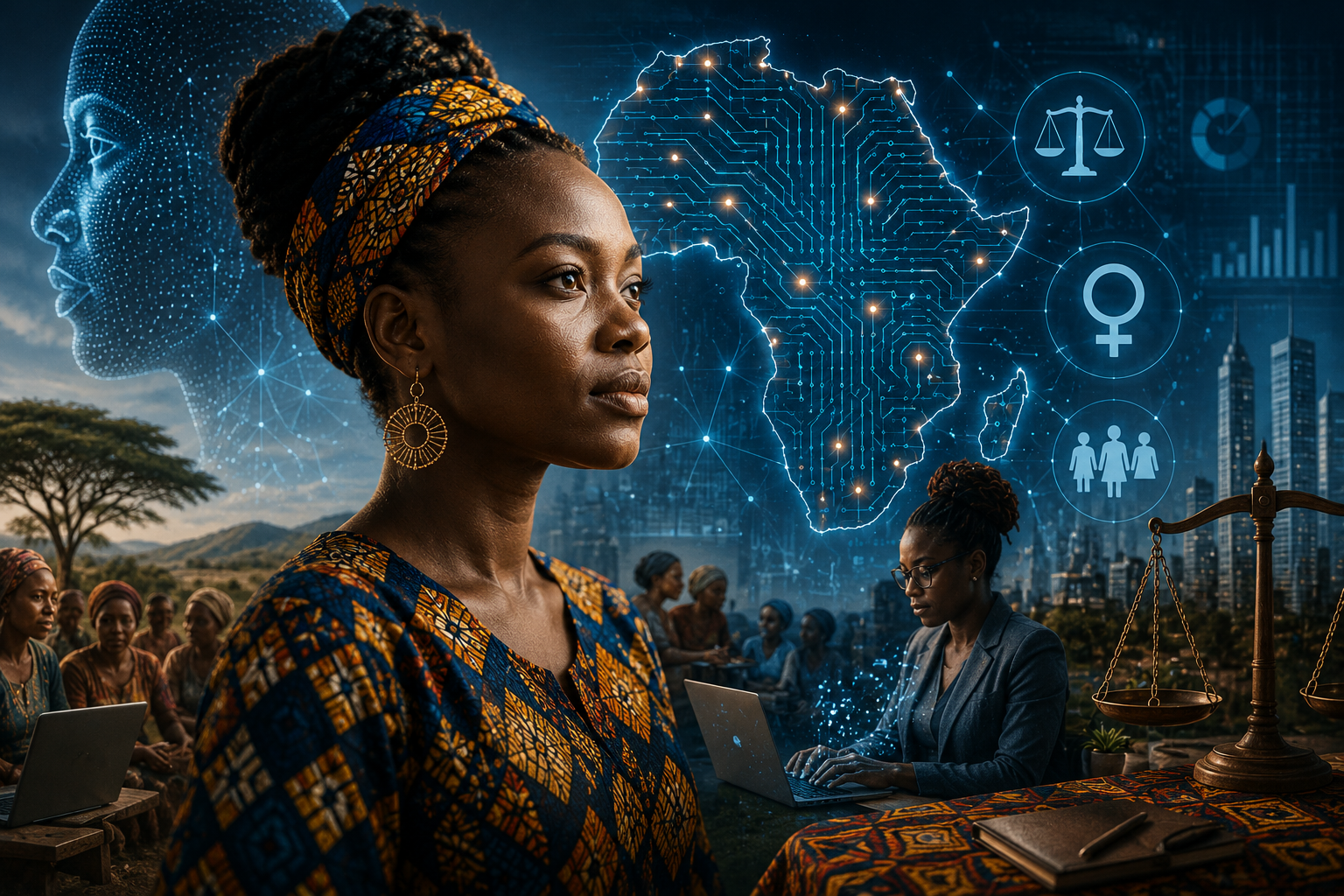
Rethinking Equality in the Age of Artificial Intelligence: Beyond the Digital Divide in Africa
In this week’s post, Etoe Ruddy Carine Tchuekam argues that AI-driven inequality in Africa goes beyond the digital divide. When bias is embedded in data and algorithms, existing inequalities can be reproduced in ways that are difficult to see or challenge. She calls for a new approach to equality—one that is preventive, accountable, participatory, and equitable, ensuring that African women and marginalised communities help shape, and benefit from, Africa’s AI future.
Escaping The Net: South Africa’s Equality Act and the Unfinished Business of Private Discrimination
This week, Dr. Meghan Finn notes that South Africa’s equality legislation was drafted, deliberately and against sustained resistance, to reach discrimination in the private sphere as well as by the state. She further notes that twenty-six years on, some of its most important provisions for targeting privatised inequality remain dormant. The result is a striking gap between an ambitious statutory scheme as the drafting archive reveals, and its operation.
Why African human rights law must not view neurodivergent people solely through the lens of disability
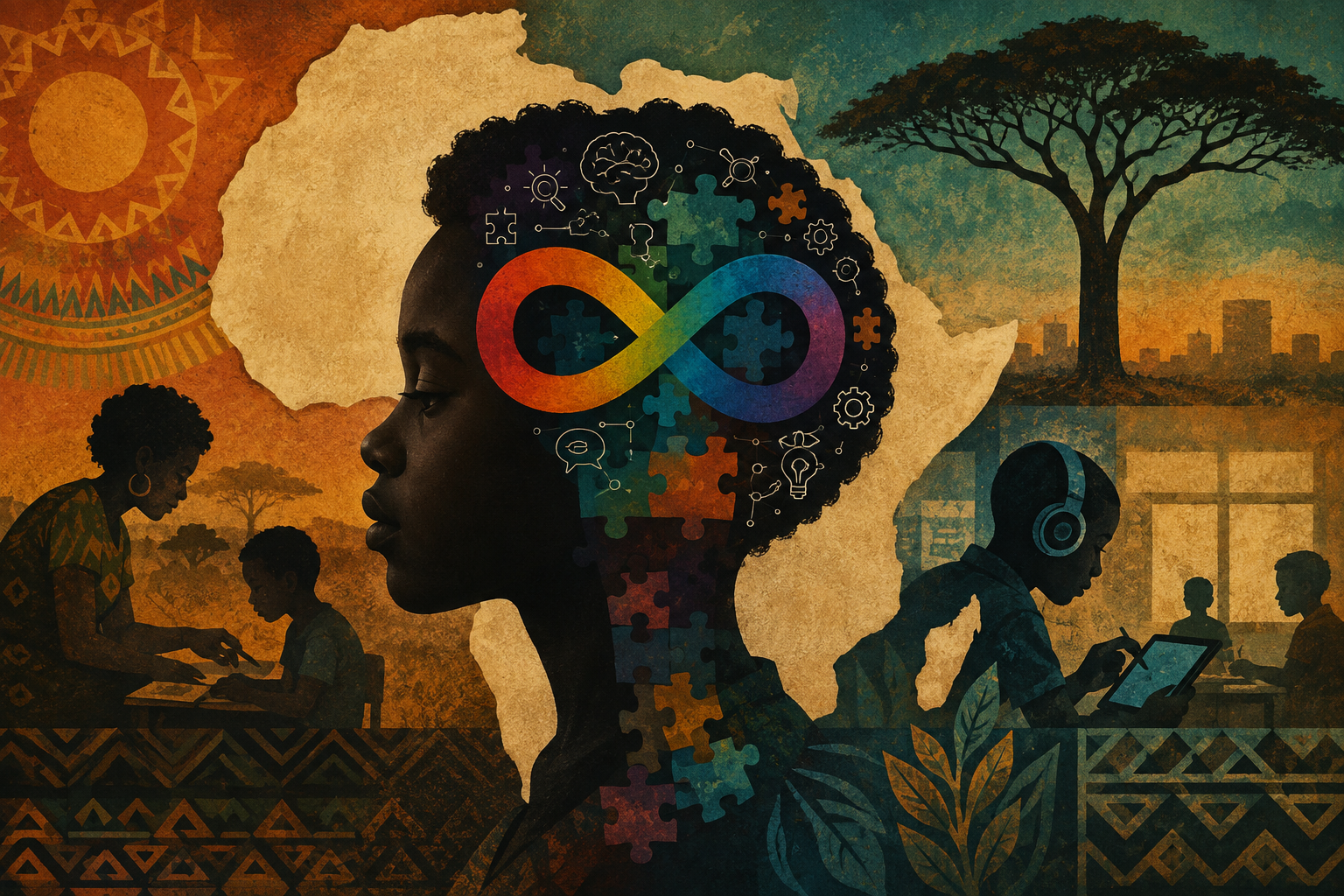
In this week's post, Prof Franaaz Khan argues that African human rights law should recognise neurodivergence as an equality issue, not merely a disability issue. Drawing on the African Charter, the Mali decision, and South Africa's Western Cape Forum case, the piece contends that the legal tools to protect neurodivergent people already exist. What is needed is a willingness to interpret equality more inclusively and ensure that those whose exclusion has long gone unseen receive meaningful legal protection.

Bwanya v Master: A Trampling of Precedent or an Evolution of Stare Decisis?
Drawing on her publication in CCR XIV, Prof. Fatima Osman examines the South African Constitutional Court's decision to depart from the precedent set in Volks v Robinson, where the court held that unmarried partners who chose not to marry could not claim maintenance under the Maintenance of Surviving Spouses Act (MSSA). In Bwanya, the court declared provisions of the Intestate Succession Act (ISA) and MSSA unconstitutional insofar as they excluded life partners who had undertaken reciprocal duties of support.
Poverty as a Ground in South Africa and India
Ahead of her upcoming publication in CCR XIV, Dr Rishika Sahgal analyses and critiques two cases decided by the apex courts in India and South Africa in 2022, Janhit Abhiyan and Social Justice Coalition. These cases reveal that even when poverty is recognised as a ground within equality law, several tensions or barriers to achieving substantive equality for the impoverished may arise.

Namibian High Court Decriminalises the ‘Crime of Sodomy’ and ‘Unnatural Sexual Offences’: A Beacon of Hope for LGBTQIA+ Rights in Africa?
In this post, Wandile Brian Zondo and Nomfundo Ramalekana discuss a recent judgment by the High Court of Namibia declaring the common law crimes of sodomy and unnatural sexual offences unconstitutional, and sequentially invalid. The authors examine how the High Court interpreted the Constitution of Namibia to reach this conclusion and posit that this decision marks a momentous step towards the full realization of LGBTQI+ rights in Namibia and serves as a beacon of hope for the region.

Povertyism is a Major Obstacle to the Eradication of Poverty. It’s Time to Ban it.
United Nations Special Rapporteur, Olivier De Schutter calls for an end to ‘povertyism’ - the discrimination & negative attitudes that bar people in poverty from fully accessing their rights and for states to include socio-economic status as a suspect ground in national anti-discrimination frameworks.

Bwanya v Master of the High Court: Right for the Wrong Reasons
Bwanya v Master of the High Court was the first occasion on which the Constitutional Court expressly refused to follow one of its previous decisions. Joshua Davis considers the basis on which it did so and the implications for the doctrine of precedent, and argues that the judgment was ultimately right for the wrong reasons.

Women’s Political Participation in The Gambia: Gender Quotas as Fast Track to Equality
A snapshot of women’s political participation in The Gambia shows that there is an urgent need to adopt special measures to increase women’s access to political participation.
- Africa
- African Commission
- Children's rights
- Climate Change
- Constitutional Court
- Constitutional Law
- Constitutional reform
- Democracy
- Elections
- Environmental Justice
- Environmental Law
- Equality
- Human Rights
- International Law
- Kenya
- LGBTQ+ Rights
- Migration
- Namibia
- Nigeria
- Public participation
- Refugee and migration series
- Refugees
- Socio-economic rights
- South Africa
- South African Constitution
- Ubuntu
- Women in Africa
- Women's Month
- Women's rights
- World Congress
Submissions
We welcome unsolicited submissions covering current legal developments in constitutional law, fundamental rights law, public law, international law and related fields.