
Our Blog
Categories
- AI Law
- Africa
- Africa Day
- African Union
- Botswana
- Cameroon
- Central Africa
- Citizenship laws
- Climate Change
- Competion Law
- Constitutional Court
- Constitutional Law
- Constitutional law
- Disability Rights
- Disability rights
- East Africa
- Egypt
- Environmental Law
- Environmental rights
- Equality
- Equality Law
- Gender Equality
- Governance
- Human Rights
- Human Rights Law
- ICJ Advisory Opinion
- Immigration Laws
- International Law
- Judicial Role
- Kenya
- Labour Law
- Mining Law
- Nigeria
- North Africa
- Political Rights
- Public International Law
- Public Law
- Right to Food
- Right to Vote
- SADC Region
- Socio economic rights
- South Africa
- Southern Africa
- Tax Justice
- Technology Law
- Uganda
- West Africa
- World Environment Day
- Year end anthology
- Zambia
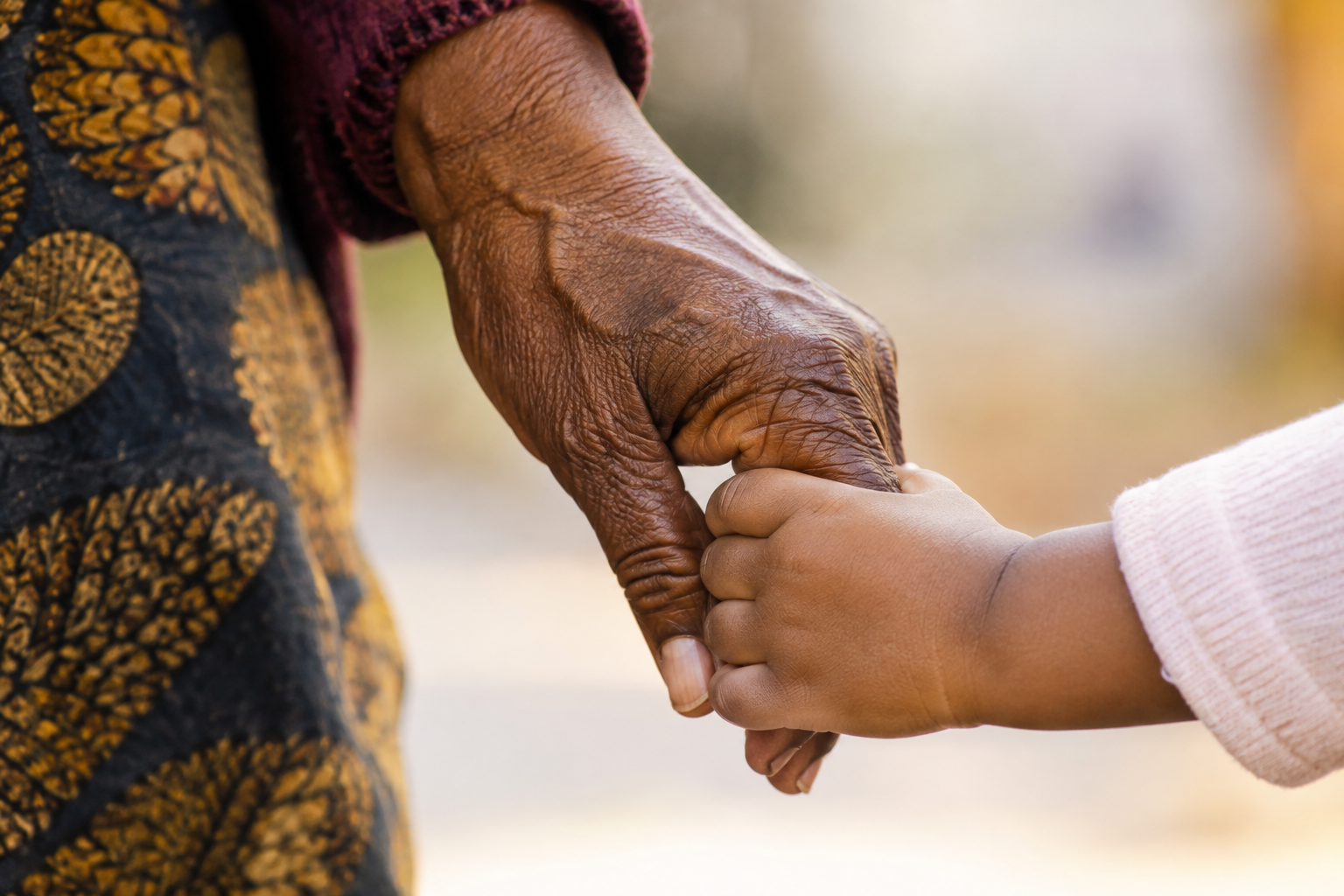
Parental Leave in South Africa: The Grandmother that Labour Law cannot See
In this week’s post, Marthinus van Staden and Grey Stopforth expose a blind spot in South African labour law: grandparents and other caregivers may shoulder the day-to-day work of raising children, however they remain excluded from parental leave. The authors argue that African regional instruments already highlight the need to support caregivers. It is national labour law that needs to catch up.
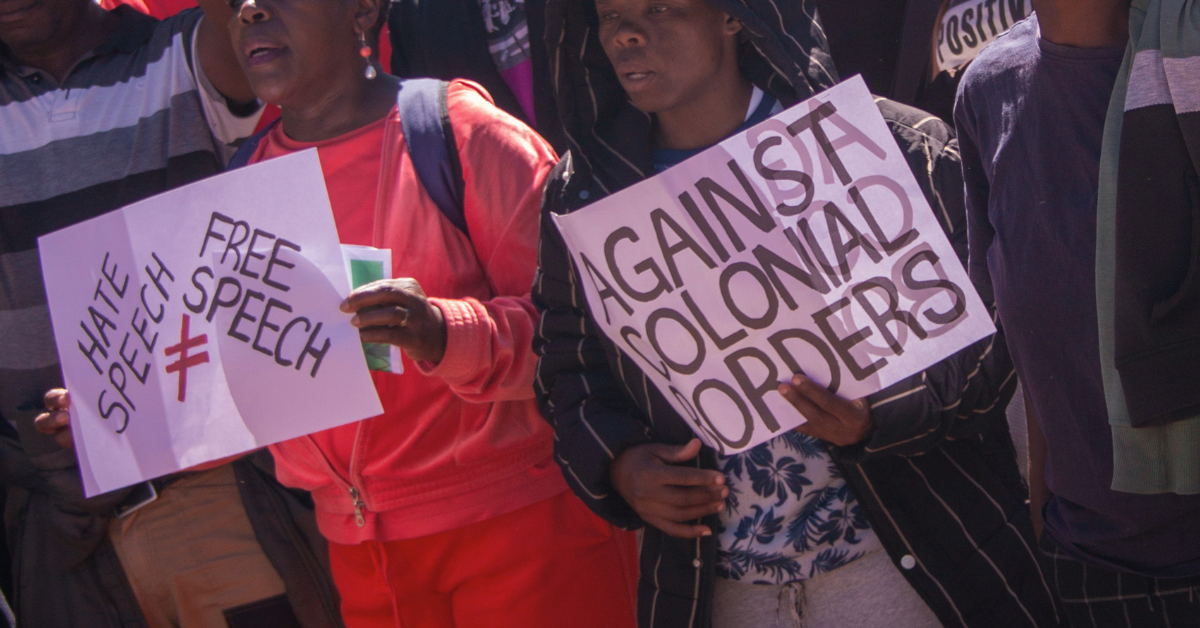
South Africa Has Two “K-words” - But Only One Tests Our Commitment to Dignity
In this week’s post Dr. Anthony Kaziboni argues that the pejorative term ‘kwerekwere’ constitutes hate speech and should receive the same condemnation and reprobation as the other ‘k-word’ given the vulnerability of foreign nationals in society.
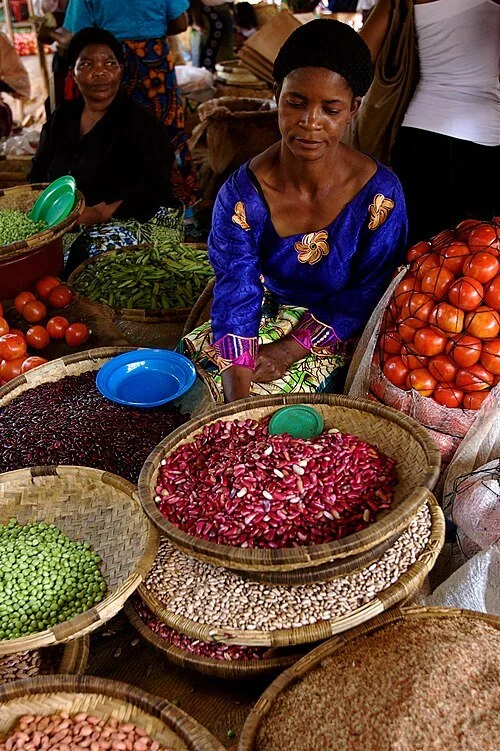
The Constitutional Right to Food in South Africa: What Lived Realities Reveal about Gaps in Law and Practice
In this week’s contribution, Yvonne reflects on the gap between the constitutional right to food and the lived realities of hunger and food insecurity in South Africa. Drawing on submissions made to the National Inquiry into the Food Systems of South Africa conducted by the South African Human Rights Commission, the article explores the structural causes of food insecurity, including inadequate wages, corporate concentration in the food system, unequal land ownership, and weaknesses in social protection. The piece also considers the legal and policy gaps that continue to undermine the realisation of the right to food, and calls for stronger accountability, improved enforcement, and more coordinated governance responses.
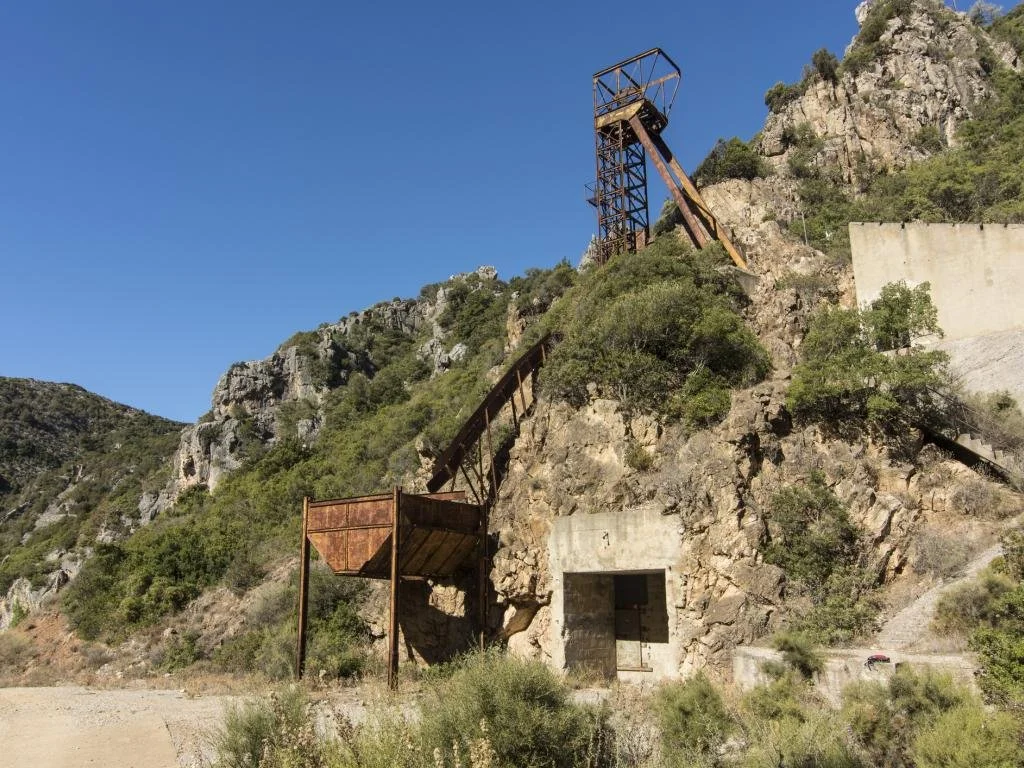
The Stilfontein Tragedy: A Grim Example of the Cost of Unfinished Business
In this week’s post, Thato Gaffane reflects on the Stilfontein tragedy, which resulted in the deaths of more than 80 miners, as well as the deliberate starvation and dehydration of many others at Buffelsfontein Gold Mine (BGM) in Stilfontein, North West. Gaffane highlights that this unfortunate incident was caused by improper mine closure, despite the existence of a legal framework that imposes clear and enforceable duties to plan, fund, and implement mine closure.

How Surveillance Laws Shape Electoral Freedom in Zimbabwe
In this post, Paul Mudau critically examines Zimbabwe’s surveillance laws, the extent to which they enable state monitoring of communications and the potential risks this poses to fundamental rights, including privacy, freedom of expression and political participation. The post further considers how expansive surveillance powers may affect electoral integrity, particularly in contexts where monitoring and data collection could be used to intimidate voters, suppress dissent, or undermine opposition activity.
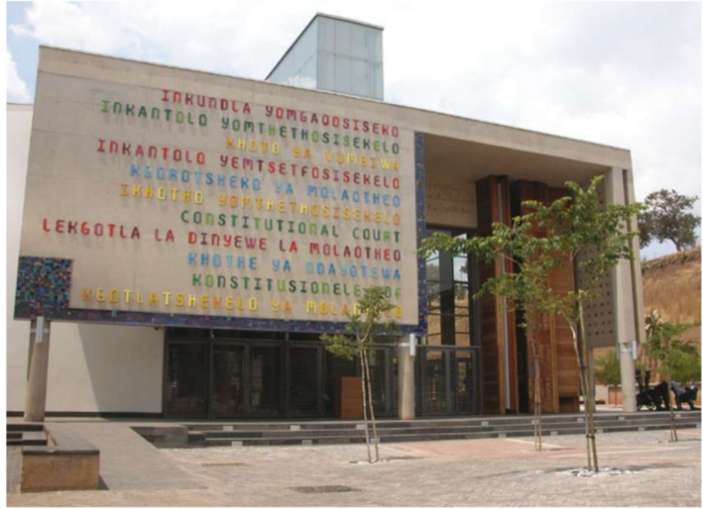
Language Rights, Transformation and the Constitution: What AfriForum v University of the Free State Still Teaches Us
In this week’s post, Professor Roxan Laubscher analyses the Constitutional Court’s approach to language rights in higher education, focusing on AfriForum v University of the Free State and related cases. The article examines how transformation, equality, and access have shaped judicial interpretation of section 29(2), and questions the impact of this approach on multilingualism, indigenous languages, and inclusive language policy in South Africa.
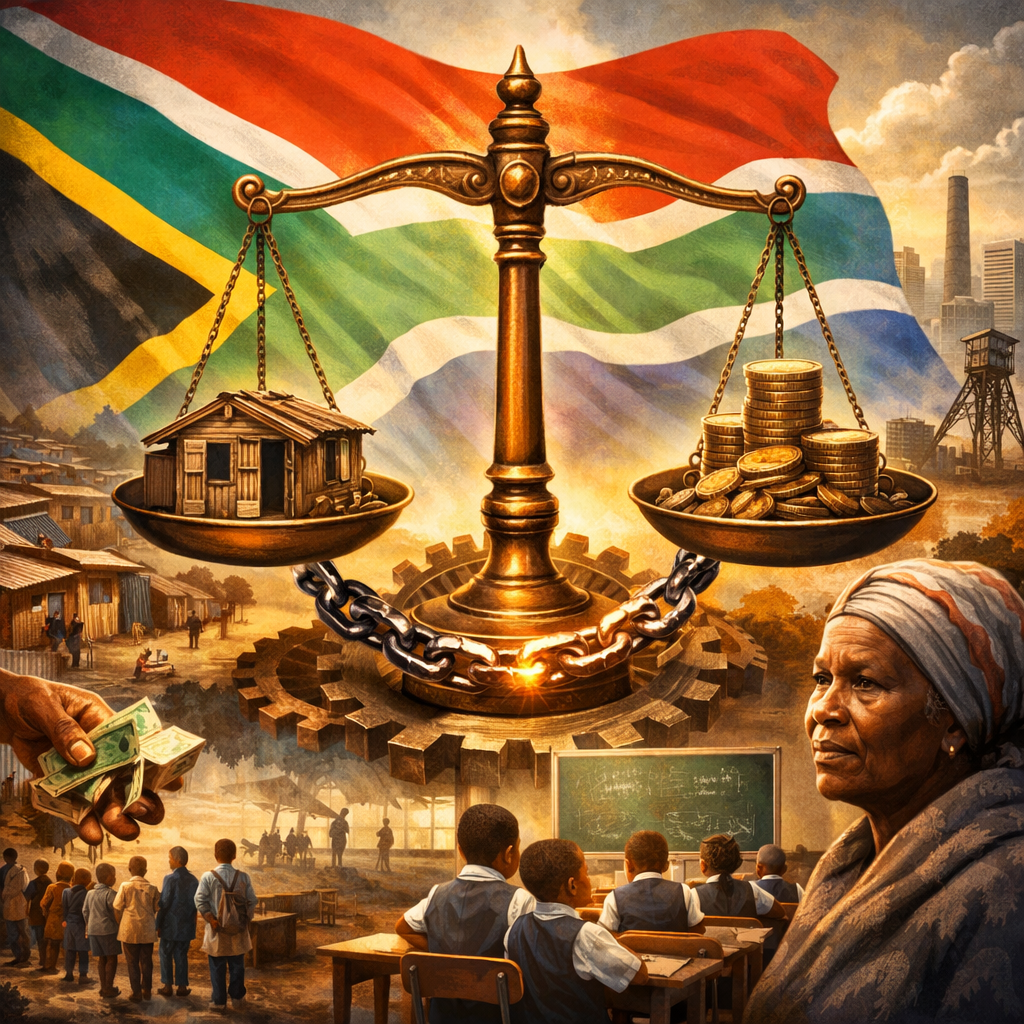
Reparative Justice in South Africa’s Socio-Economic Rights Jurisprudence
In this week’s post, Sandra Liebenberg unpacks her recent CCR article, which examines how the interpretation and adjudication of socio-economic rights can advance reparative justice in response to the deep patterns of socio-economic disadvantage and inequality produced by historical injustices such as colonialism and apartheid.
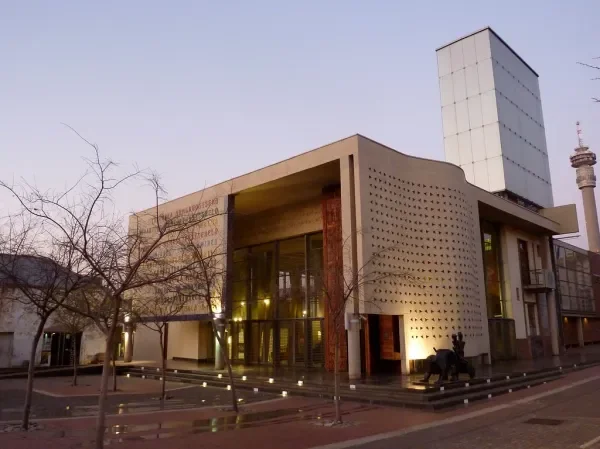
The Constitutional Court's Efficiency: An Update from 2022 to 2024
In this week’s post, Leo Boonzaier and Nurina Ally provide an update to their 2022 study, which found that the Constitutional Court of South Africa suffered from serious efficiency problems. The full results will soon be published in Volume 15 of the Constitutional Court Review. As their analysis shows, the overall picture remains troubling: the Court has not resolved its efficiency challenges and, in important respects, these have worsened.
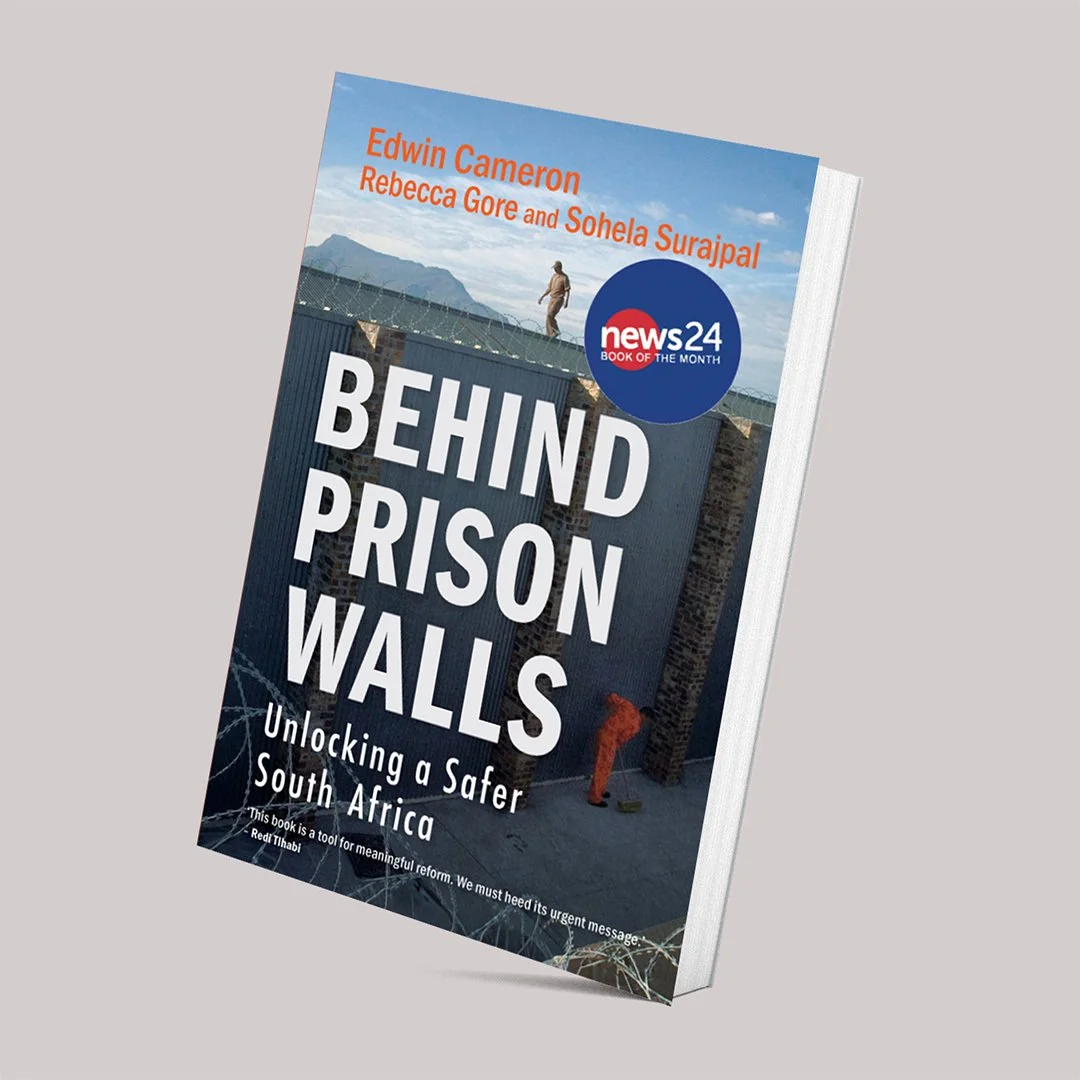
Book Interview— Behind Prison Walls: Unlocking a Safer South Africa
Watch ALM's Ropafadzo Maphosa in conversation with the authors of Behind Prison Walls: Unlocking a Safer South Africa, Judge Edwin Cameron, Rebecca Gore, and Sohela Surajpal. Drawing on their firsthand encounters within the carceral system, the authors reflect on how these experiences informed their motivations for writing the book and the critical insights it offers into incarceration, justice, and the urgent need for prison reform.

Thirty-Five Years Later: Why Namibia Must Now Choose Ubuntu’s Soul
In this post, Dunia P. Zongwe reflects on 35 years of Namibia’s Constitution. He looks back at its achievements and challenges, and then turns to the future—imagining a shift from the current liberal Bill of Rights towards a decolonial Bill of Rights and vision of constitutionalism grounded in Ubuntu.

Administrative Justice in the Constitutional Court at 30
In this post, Lawrence Dlamini reflects on 30 years of Constitutional Court jurisprudence, with a particular focus on administrative justice. He argues that the Court has worked to ground the right to administrative justice in a more coherent and principled legal framework, as required by the Constitution since the enactment of the Promotion of Administrative Justice Act (PAJA).

Blog Series: Interview with Judge Margie Victor
This video is the fourth in a series of interviews that we conducted with members of the South African judiciary to commemorate 30 years of democracy in South Africa. In this episode, Judge Margie Victor reflects on the successes and challenges of the Constitution in protecting human rights and the impact of landmark cases on the country’s democratic development.

Blog Series: Interview with Justice Steven Majiedt
In this episode, Justice Majiedt reflects on the how the judiciary has worked to safeguard democratic values and uphold the rule of law in a changing social and political landscape. Drawing on landmark cases such as Grootboom and August v Electoral Commission, Justice Majiedt explores how the Constitutional Court’s jurisprudence has adapted to meet emerging socio-economic and political challenges. The conversation also highlights some of the most influential decisions that have shaped the trajectory of democracy and the protection of human rights in post-apartheid South Africa.

Blog Series: Interview with Justice Leona Theron
This video is the second in a series of interviews that we conducted with members of the South African Judiciary to commemorate 30 years of democracy in South Africa. This interview explored the evolving role of South Africa’s Constitution in protecting democracy and human rights over the past three decades. It also covered the successes and shortcomings of the constitutional framework, the impact of landmark court decisions, and the delicate balance the Court must maintain between respecting the separation of powers and ensuring government accountability.

Blog Series: Interview with Emeritus Justice Edwin Cameron
This video is part of a series of interviews that we conducted with members of the South African Judiciary to commemorate 30 years of democracy in South Africa. In this episode, Justice Cameron reflects on the development of South Africa’s constitutional democracy since the Constitutional Court’s first judgment in 1995.
- Africa
- African Commission
- Children's rights
- Climate Change
- Constitutional Court
- Constitutional Law
- Constitutional reform
- Democracy
- Elections
- Environmental Justice
- Environmental Law
- Equality
- Human Rights
- International Law
- Kenya
- LGBTQ+ Rights
- Migration
- Namibia
- Nigeria
- Public participation
- Refugee and migration series
- Refugees
- Socio-economic rights
- South Africa
- South African Constitution
- Ubuntu
- Women in Africa
- Women's Month
- Women's rights
- World Congress
Submissions
We welcome unsolicited submissions covering current legal developments in constitutional law, fundamental rights law, public law, international law and related fields.