
Our Blog
Categories
- AI Law
- Africa
- Africa Day
- African Union
- Botswana
- Cameroon
- Central Africa
- Citizenship laws
- Climate Change
- Competion Law
- Constitutional Court
- Constitutional Law
- Constitutional law
- Disability Rights
- Disability rights
- East Africa
- Egypt
- Environmental Law
- Environmental rights
- Equality
- Equality Law
- Gender Equality
- Governance
- Human Rights
- Human Rights Law
- ICJ Advisory Opinion
- Immigration Laws
- International Law
- Judicial Role
- Kenya
- Labour Law
- Mining Law
- Nigeria
- North Africa
- Political Rights
- Public International Law
- Public Law
- Right to Food
- Right to Vote
- SADC Region
- Socio economic rights
- South Africa
- Southern Africa
- Tax Justice
- Technology Law
- Uganda
- West Africa
- World Environment Day
- Year end anthology
- Zambia
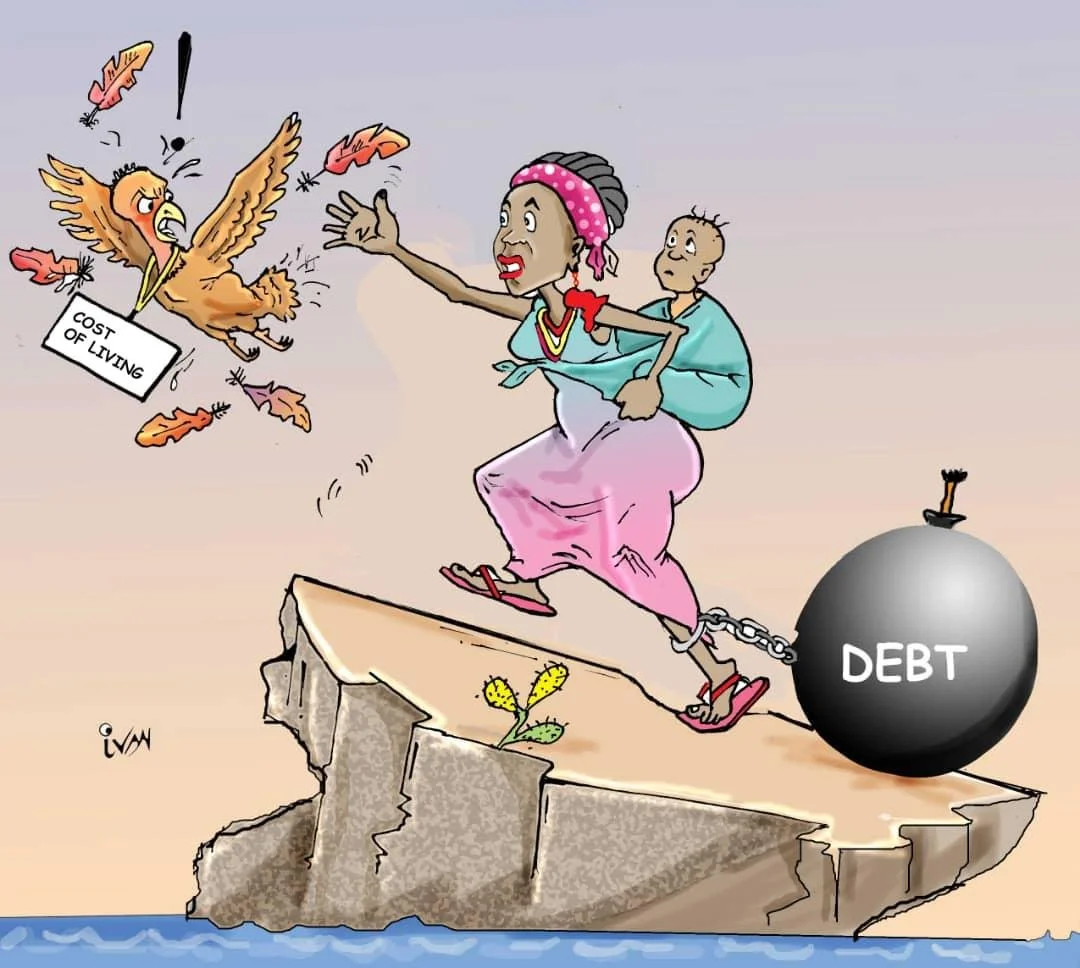
The reformulation of the international debt architecture and its implications for African countries
In this week's post, Rangarirai Chikova sets out how sovereign debt crises impact negatively on the capacity of African states to realise economic, social and cultural rights. In doing, he proposes reforms such as as a UN Framework Convention on Debt as a potential pathway for change.
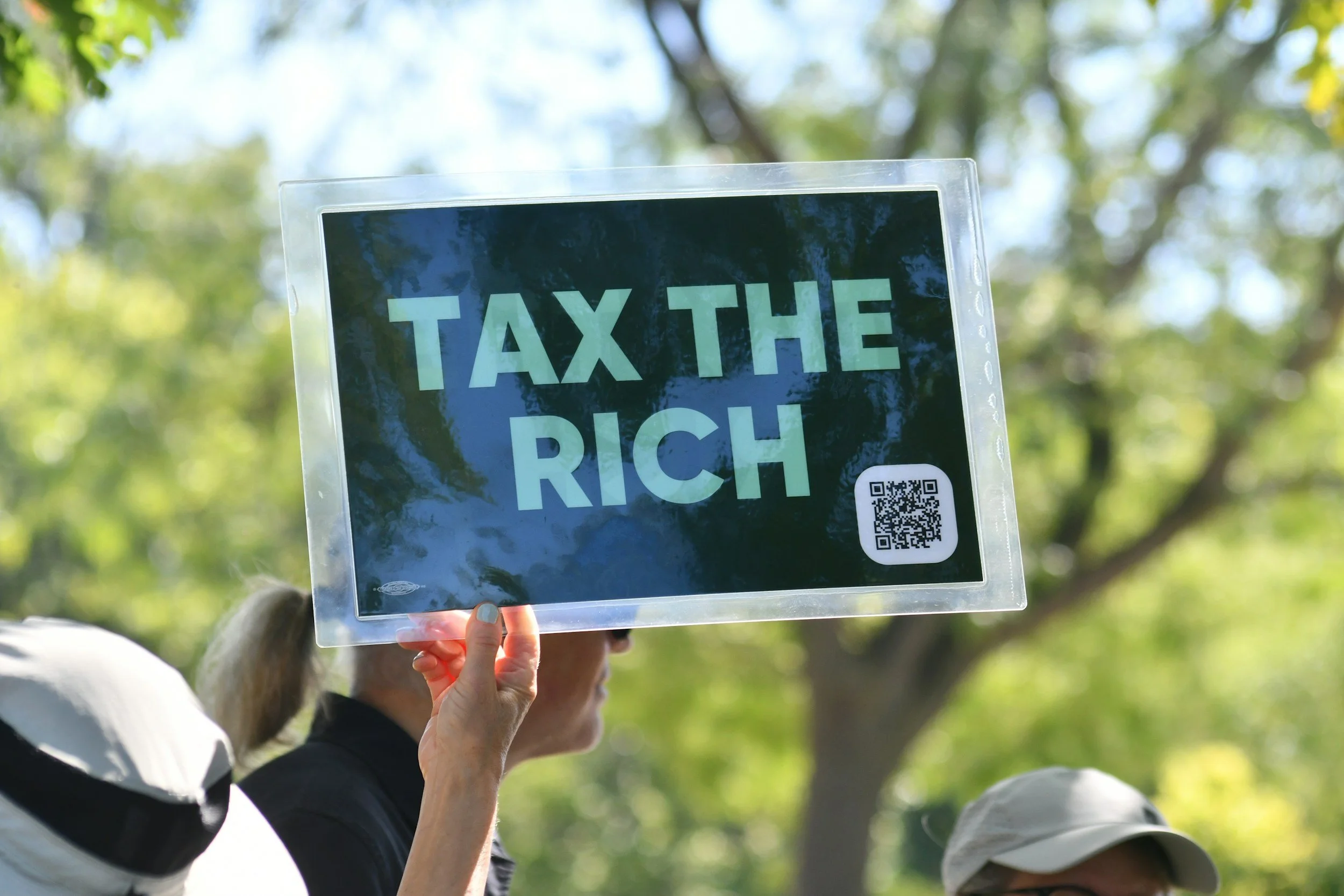
The realisation of socio-economic rights: An international obligation to maximise resources?
In this week’s post, Everlyn K. Muendo from Tax Justice Network Africa argues that the UN Tax Convention has the potential to develop more equitable rules about the allocation of taxing rights between the global North and global South and in so doing may enable African countries in particular to raise more tax revenue to resource socio-economic rights and comply with their obligation to devote their maximum resources available towards the realisation of these rights.
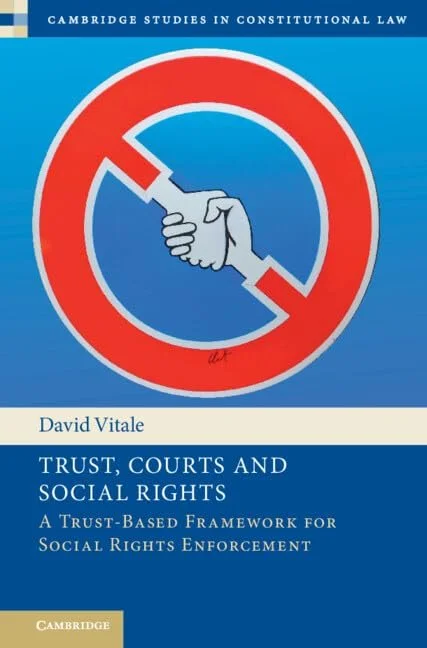
Book Feature: Trust, Courts and Social Rights: A Trust-Based Framework for Social Rights Enforcement( David Vitale)
In this week’s post, African Law Matters features an interview with Professor David Vital on his book, Trust Courts and Social Rights: A Trust-Based Framework for Social Rights Enforcement. The book proposes a compelling framework for the judicial enforcement of socio-economic rights grounded in the concept of political trust. Given its potential value for the enforcement of socio-economic rights on the African continent and its rich engagement with South Africa’s socio-economic rights jurisprudence, this conversation is particularly timely and valuable.
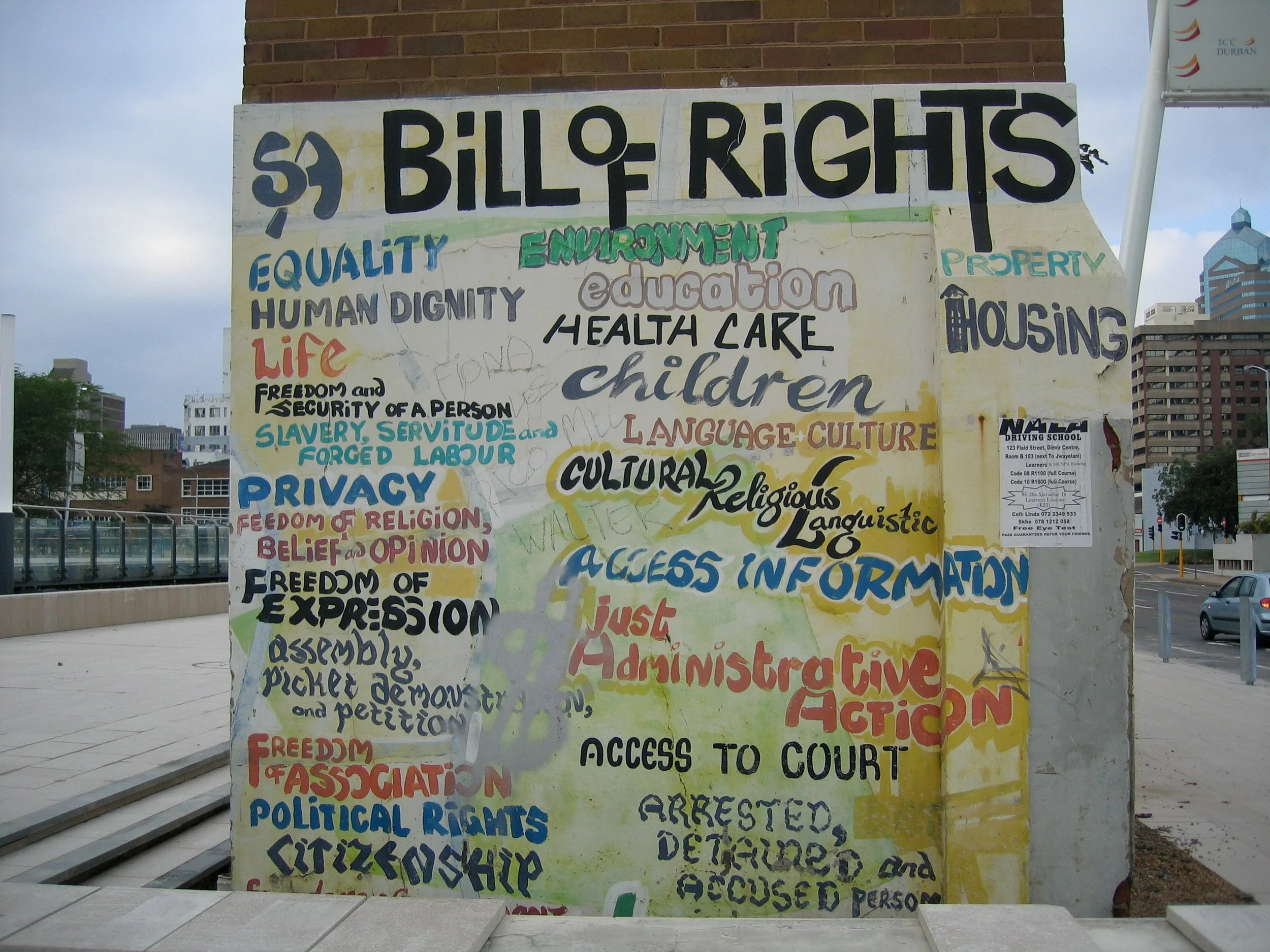
Poverty as a Ground in South Africa and India
Ahead of her upcoming publication in CCR XIV, Dr Rishika Sahgal analyses and critiques two cases decided by the apex courts in India and South Africa in 2022, Janhit Abhiyan and Social Justice Coalition. These cases reveal that even when poverty is recognised as a ground within equality law, several tensions or barriers to achieving substantive equality for the impoverished may arise.

The Analytical Reasoning Defects in Thubakgale v Ekhuruleni Metropolitan Municipality
In this week’s post, the author examines the Constitutional Court’s decision in Thubakgale v Ekhurhuleni Metropolitan Municipality and highlights five analytical reasoning defects in the judgment.

Povertyism is a Major Obstacle to the Eradication of Poverty. It’s Time to Ban it.
United Nations Special Rapporteur, Olivier De Schutter calls for an end to ‘povertyism’ - the discrimination & negative attitudes that bar people in poverty from fully accessing their rights and for states to include socio-economic status as a suspect ground in national anti-discrimination frameworks.
- Africa
- African Commission
- Children's rights
- Climate Change
- Constitutional Court
- Constitutional Law
- Constitutional reform
- Democracy
- Elections
- Environmental Justice
- Environmental Law
- Equality
- Human Rights
- International Law
- Kenya
- LGBTQ+ Rights
- Migration
- Namibia
- Nigeria
- Public participation
- Refugee and migration series
- Refugees
- Socio-economic rights
- South Africa
- South African Constitution
- Ubuntu
- Women in Africa
- Women's Month
- Women's rights
- World Congress
Submissions
We welcome unsolicited submissions covering current legal developments in constitutional law, fundamental rights law, public law, international law and related fields.