
Our Blog
Categories
- AI Law
- Africa
- Africa Day
- African Charter
- African Union
- Botswana
- Cameroon
- Central Africa
- Citizenship laws
- Climate Change
- Competion Law
- Constitutional Court
- Constitutional Law
- Constitutional law
- Disability Rights
- Disability rights
- East Africa
- Egypt
- Environmental Law
- Environmental rights
- Equality
- Equality Law
- Francophone-Africa
- Gender Equality
- Governance
- Human Rights
- Human Rights Law
- ICJ Advisory Opinion
- Immigration Laws
- International Law
- Judicial Role
- Kenya
- Labour Law
- Mining Law
- Nigeria
- North Africa
- Political Rights
- Public International Law
- Public Law
- Right to Food
- Right to Vote
- SADC Region
- Socio economic rights
- South Africa
- Southern Africa
- Tax Justice
- Technology Law
- Uganda
- West Africa
- World Environment Day
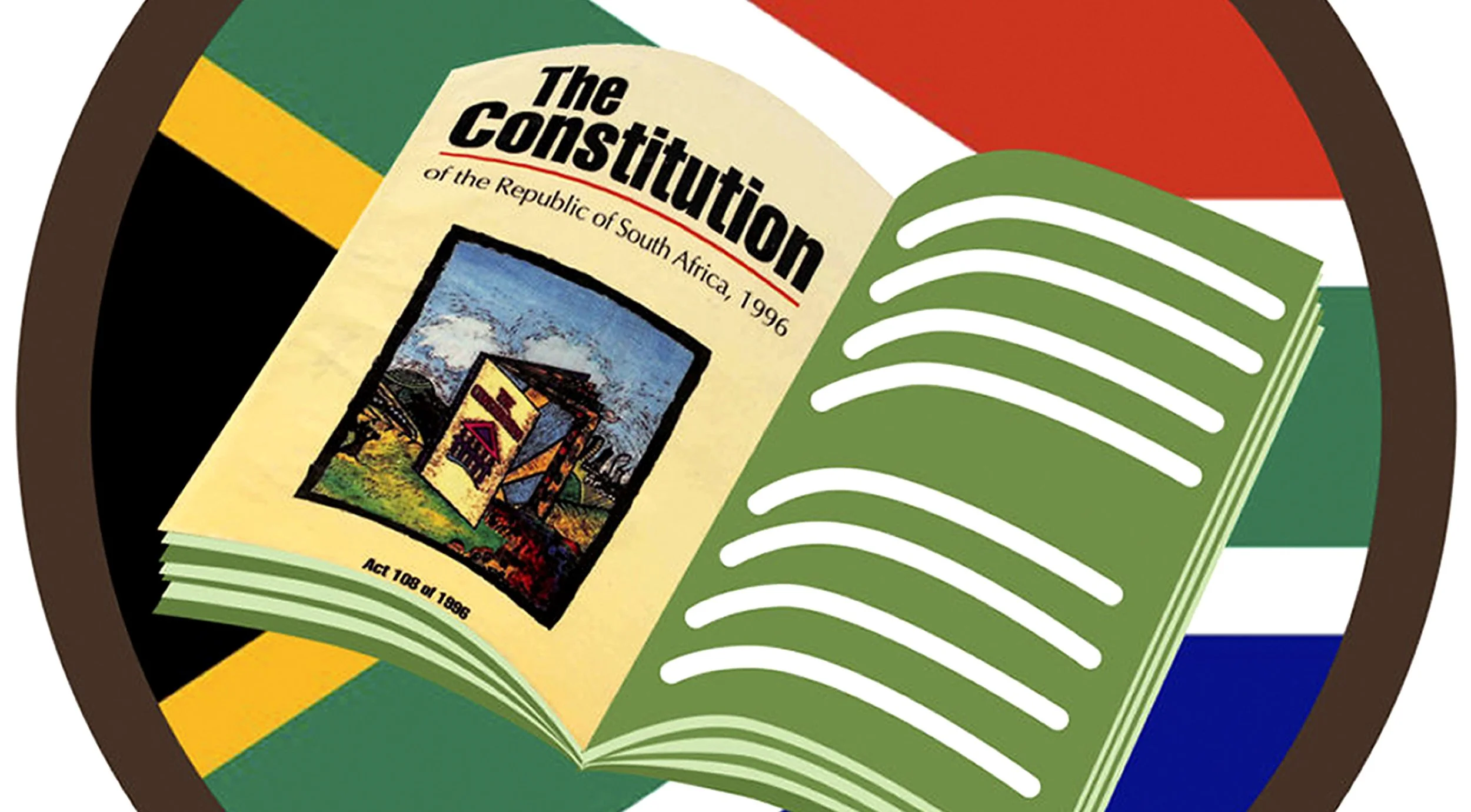
Escaping The Net: South Africa’s Equality Act and the Unfinished Business of Private Discrimination
This week, Dr. Meghan Finn notes that South Africa’s equality legislation was drafted, deliberately and against sustained resistance, to reach discrimination in the private sphere as well as by the state. She further notes that twenty-six years on, some of its most important provisions for targeting privatised inequality remain dormant. The result is a striking gap between an ambitious statutory scheme as the drafting archive reveals, and its operation.

Why African human rights law must not view neurodivergent people solely through the lens of disability
In this week's post, Prof Franaaz Khan argues that African human rights law should recognise neurodivergence as an equality issue, not merely a disability issue. Drawing on the African Charter, the Mali decision, and South Africa's Western Cape Forum case, the piece contends that the legal tools to protect neurodivergent people already exist. What is needed is a willingness to interpret equality more inclusively and ensure that those whose exclusion has long gone unseen receive meaningful legal protection.
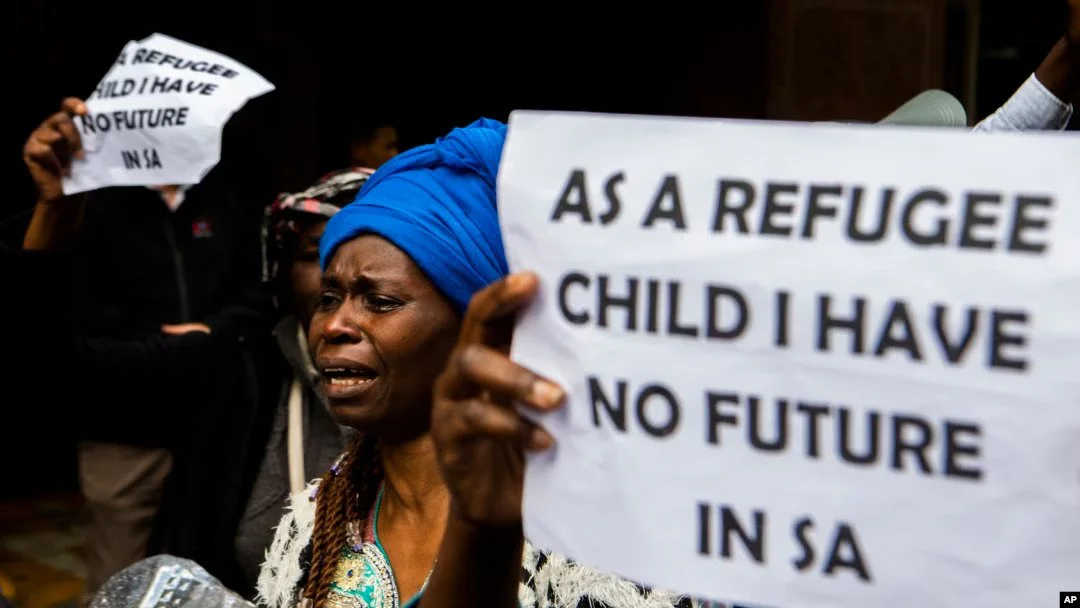
Subversion of Politics: Political Prohibitions on Refugees and Asylum Seekers in South Africa
In this post, Sky Kruger examines how amendments to South Africa’s refugee framework have introduced prohibitions on the political activities of refugees and asylum seekers. While these measures are framed as necessary to safeguard national security, preserve the integrity of an already strained asylum system, and maintain diplomatic relations, the post interrogates the broader implications of restricting political expression within a constitutional democracy.
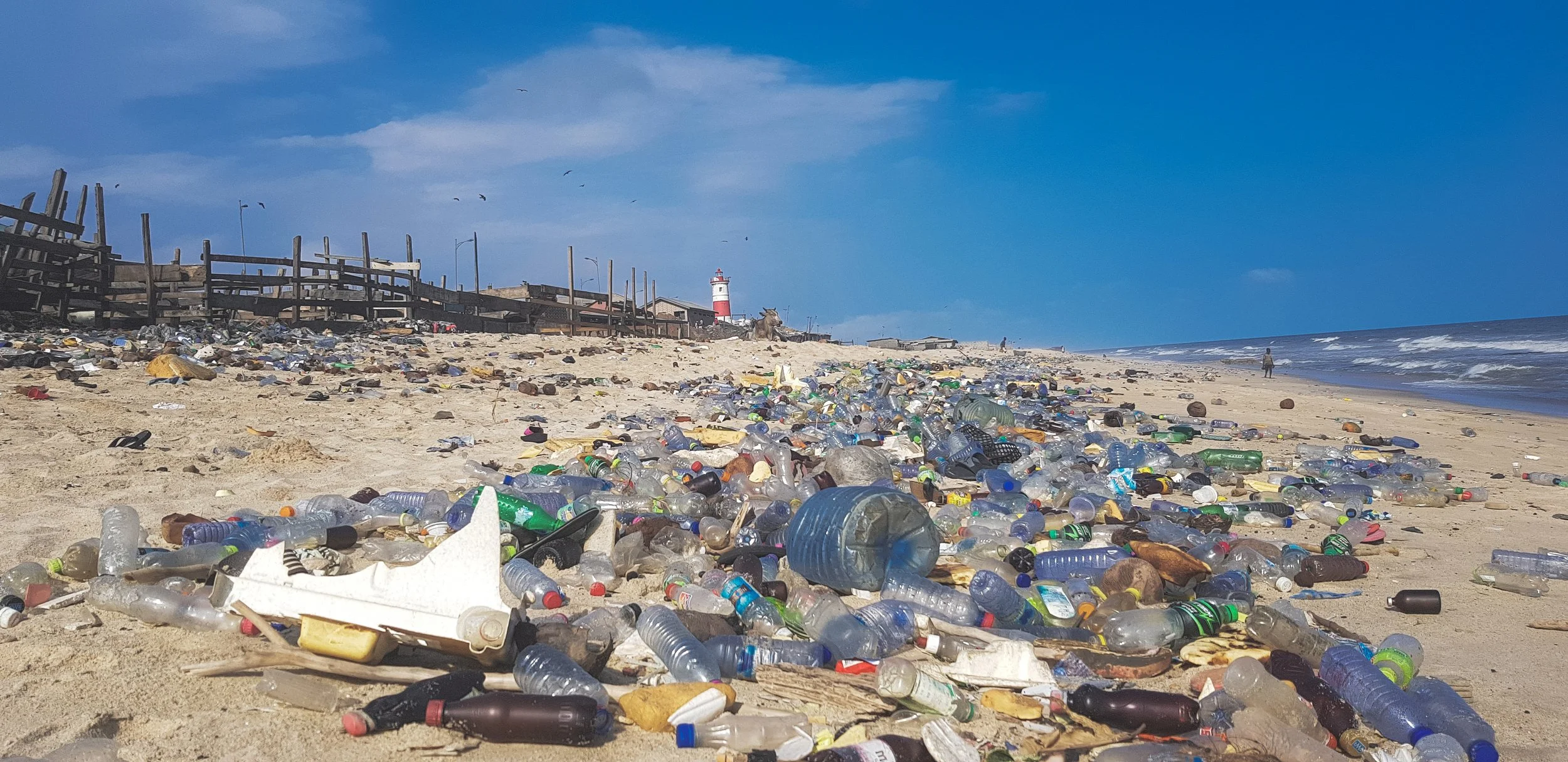
Consumer-focused Strategies Pertaining to Plastic Pollution Reduction in South Africa
In this week’s post, Michelle Barnard examines who should bear responsibility for plastic pollution in South Africa, focusing on producers and consumers within the framework of Sustainable Development Goal 12. She analyses existing legal and policy instruments, including extended producer responsibility and recycling initiatives, and highlights gaps in consumer-focused strategies. In this piece, she argues for a more balanced approach that combines producer obligations with stronger consumer-driven measures to effectively reduce plastic waste.

The Limits of the National Register for Sex Offenders to Protect Children in Private and Familial Spaces
In this post, Dhumbura uses Ian Hoggins’ sexual offense case as a starting point to argue that, in South Africa, despite strong laws such as the Sexual Offenses Act, failures in the National Register for Sex Offenders continue to leave children vulnerable, exposing serious institutional weaknesses that demand urgent reform.

When False Accusations of Racism Become Workplace Weapons
In this week’s post, Professor Marius explores a recent Labour Court judgment that exposes troubling gaps in how South African law handles false accusations of racism in the workplace. Drawing on the Solidarity obo K v Western Cape Education Department case, he argues that the court failed to recognise such false accusations as a form of racial discrimination under the Employment Equity Act. He critiques this approach, highlights the real-world consequences of the legal reasoning, and offers five key recommendations to ensure that both genuine racism and its misuse are addressed with equal rigour in the pursuit of workplace equality.

Exhausting Internal Remedies in Refugee Law
In this week’s post, Art Wynberg analyses two judgments handed down by the High Court of South Africa in similar cases concerning asylum seekers who sought judicial review after being denied refugee status. The author highlights the contrasting approaches taken by the court in response to the applicants’ decision to bypass the internal appeal process required under section 7(2)(a) of the Promotion of Administrative Justice Act (“PAJA”).

African Communities Call for a Binding Treaty That Ends Corporate Impunity
In this week’s post, Ezile Madlala reports on the 7th Annual Regional Binding Treaty Indaba held in Johannesburg last month. During the event, mining-affected communities, civil society and African state representatives pushed for a binding international treaty on business and human rights, highlighted barriers to participation in treaty negotiations, and stressed the need for African-led solutions.

SA’s Contradictory Stance on Climate Change: The UPRDA is Turning a Blind Eye on the Climate Crisis
In this week’s AML blog piece, Wandile observes that South Africa’s Climate Change Act represents a step forward in aligning the country with global climate commitments. However, he notes that the recently enacted Upstream Petroleum Resources Development Act undermines this progress by promoting the exploration of fossil fuels. He argues that this contradiction threatens environmental rights, deepens inequality, and reveals a troubling disconnect between South Africa’s climate goals and its fossil fuel-driven development agenda.

Disability Equality in the Workplace: Making the World Differently Through Reasonable Accommodation
In this post, Justin critiques the Constitutional Court’s decision in Damons, which narrowly interpreted the duty of reasonable accommodation under the Employment Equity Act. He argues that the ruling weakens protections for persons with disabilities by limiting accommodation to meeting existing job requirements rather than transforming workplaces for inclusion. Justin advocates for a substantive equality approach, emphasizing that reasonable accommodation should not just integrate disabled employees but also reshape work environments to be more inclusive and accessible.

Temporality Matters for Women’s Equality
In this post, Meghan Campbell and Ben Warwick explain how gender inequality isn’t just about differences in status or resources—it’s also about time. The duo, observe that women often experience 'time poverty' due to unpaid domestic work, while legal systems tend to overlook how inequality develops gradually. Through case law, the authors show how rigid timelines can prevent women from accessing justice. They argue that more flexible, time-sensitive legal approaches are needed to address these structural inequalities and promote lasting gender equality.

“Sangwa Says” Contextualising what the Zambian Constitutional Court says about the financial independence of the judiciary
In this post, Nicholas Herd examines the Zambian Constitutional Court’s Sangwa judgment, placing it within broader discussions on judicial independence and its importance in upholding the rule of law. Drawing lessons for constitutional democracies, he links the judgment to South Africa, where the judiciary struggles with institutional independence due to reliance on the executive for funding, staffing, and logistical support. This dependency grants the executive significant influence, raising concerns about impartiality and undermining the judiciary's independence.

Bark Without Bite? Considering and Clarifying the SAHRC’s Competence
In this post, Nicholas Herd examines the Supreme Court of Appeal (SCA)'s judgment in SAHRC v Agro Data, where the court unanimously rejected the South African Human Rights Commission's (SAHRC) claim that it possesses the authority to issue binding directives. He also explores the Commission's prospects of success in its appeal to the Constitutional Court, challenging the SCA's decision.

The Constitutional Court's Docket – January to July 2024
In this week’s post, Nurina Ally and others offer an overview of the Constitutional Court’s operations, shedding light on aspects of the Court's work that rarely receive attention. Their analysis captures the bigger picture and highlights some of the unique challenges the Court encounters.

One Step Forward, Seismic Steps Back: On the Battle Over South Africa’s Wild Coast
In this week’s post Celiwe examines the Sustaining the Wild Coast cases, where South Africa’s courts evaluated the lawfulness of Shell and Impact's seismic exploration rights along the Wild Coast. While the High Court suspended the exploration due to insufficient consultation with affected communities and environmental concerns, the Supreme Court of Appeal overturned the decision, emphasizing foreign investment. The article highlights the legal tension between corporate interests, environmental protection, and marginalized communities’ rights
- Africa
- African Commission
- Children's rights
- Climate Change
- Constitutional Court
- Constitutional Law
- Constitutional reform
- Democracy
- Elections
- Environmental Justice
- Environmental Law
- Equality
- Human Rights
- International Law
- Kenya
- LGBTQ+ Rights
- Migration
- Namibia
- Nigeria
- Public participation
- Refugee and migration series
- Refugees
- Socio-economic rights
- South Africa
- South African Constitution
- Ubuntu
- Women in Africa
- Women's Month
- Women's rights
- World Congress
Submissions
We welcome unsolicited submissions covering current legal developments in constitutional law, fundamental rights law, public law, international law and related fields.