
Our Blog
Categories
- AI Law
- Africa
- Africa Day
- African Charter
- African Union
- Botswana
- Cameroon
- Central Africa
- Citizenship laws
- Climate Change
- Competion Law
- Constitutional Court
- Constitutional Law
- Constitutional law
- Disability Rights
- Disability rights
- East Africa
- Egypt
- Environmental Law
- Environmental rights
- Equality
- Equality Law
- Francophone-Africa
- Gender Equality
- Governance
- Human Rights
- Human Rights Law
- ICJ Advisory Opinion
- Immigration Laws
- International Law
- Judicial Role
- Kenya
- Labour Law
- Mining Law
- Nigeria
- North Africa
- Political Rights
- Public International Law
- Public Law
- Right to Food
- Right to Vote
- SADC Region
- Socio economic rights
- South Africa
- Southern Africa
- Tax Justice
- Technology Law
- Uganda
- West Africa
- World Environment Day
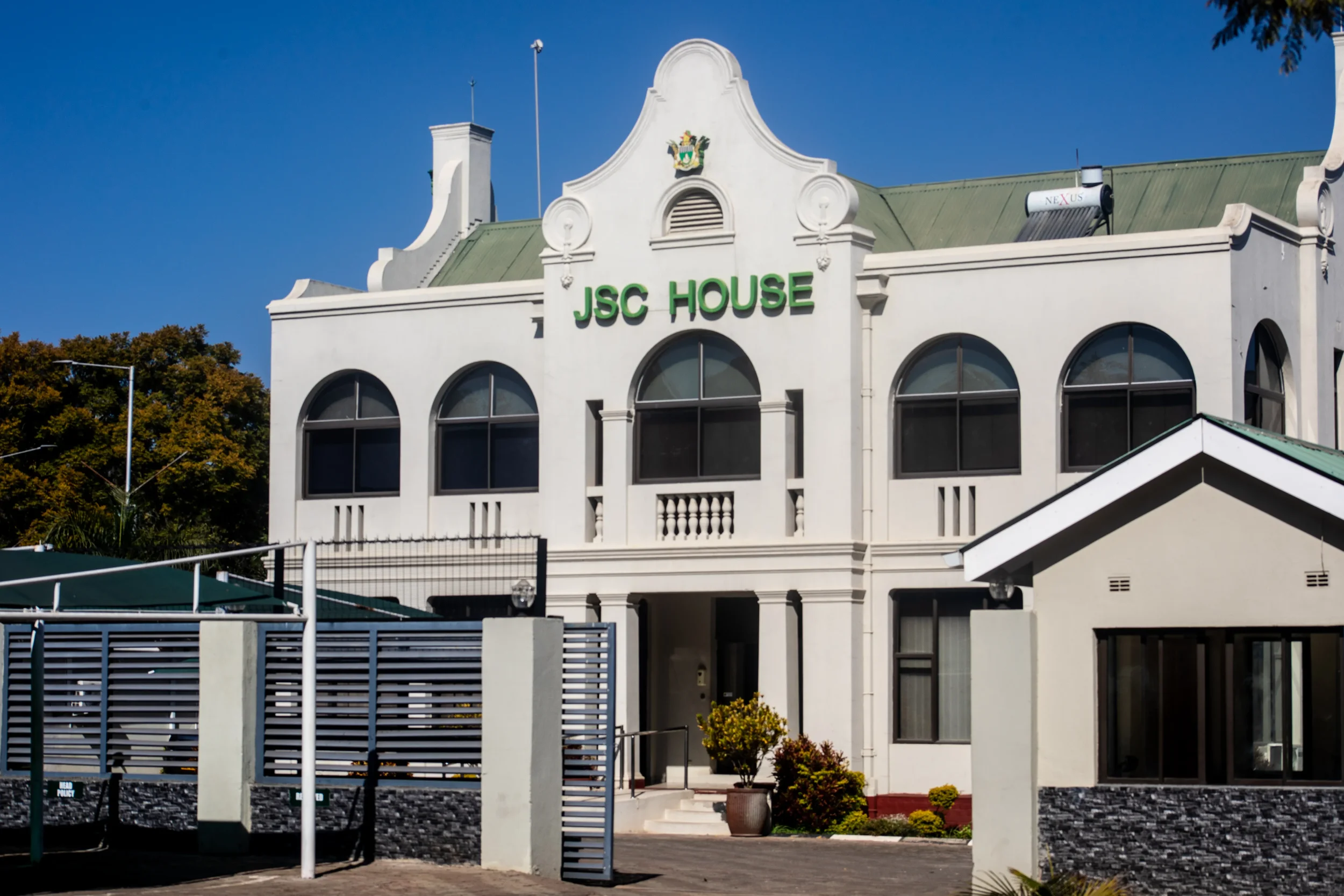
What Zimbabwe’s Constitution Amendment No. 3 Means for Judicial Independence
In this week's post, Nqobani Nyathi examines Zimbabwe's newly enacted Constitution of Zimbabwe Amendment (No. 3) Act, which abolishes public interviews for judicial appointments. He argues that vesting the President with the sole appointment power after mere consultation with the Judicial Service Commission expands executive discretion at precisely the point where the 2013 Constitution sought to constrain it, marking the culmination of a decade-long pattern of amendments that have progressively weakened judicial independence in Zimbabwe.

How Surveillance Laws Shape Electoral Freedom in Zimbabwe
In this post, Paul Mudau critically examines Zimbabwe’s surveillance laws, the extent to which they enable state monitoring of communications and the potential risks this poses to fundamental rights, including privacy, freedom of expression and political participation. The post further considers how expansive surveillance powers may affect electoral integrity, particularly in contexts where monitoring and data collection could be used to intimidate voters, suppress dissent, or undermine opposition activity.
- Africa
- African Commission
- Children's rights
- Climate Change
- Constitutional Court
- Constitutional Law
- Constitutional reform
- Democracy
- Elections
- Environmental Justice
- Environmental Law
- Equality
- Human Rights
- International Law
- Kenya
- LGBTQ+ Rights
- Migration
- Namibia
- Nigeria
- Public participation
- Refugee and migration series
- Refugees
- Socio-economic rights
- South Africa
- South African Constitution
- Ubuntu
- Women in Africa
- Women's Month
- Women's rights
- World Congress
Submissions
We welcome unsolicited submissions covering current legal developments in constitutional law, fundamental rights law, public law, international law and related fields.