
Our Blog
Categories
- Africa
- Africa Day
- African Union
- Cameroon
- Central Africa
- Citizenship laws
- Climate Change
- Competion Law
- Constitutional Court
- Constitutional Law
- Constitutional law
- Disability Rights
- Disability rights
- East Africa
- Egypt
- Environmental Law
- Environmental rights
- Equality
- Gender Equality
- Governance
- Human Rights
- Human Rights Law
- ICJ Advisory Opinion
- Immigration Laws
- International Law
- Kenya
- Labour Law
- Mining Law
- Nigeria
- North Africa
- Political Rights
- Public International Law
- Public Law
- Right to Food
- Right to Vote
- SADC Region
- Socio economic rights
- South Africa
- Southern Africa
- Tax Justice
- Uganda
- West Africa
- World Environment Day
- Year end anthology
- Zambia

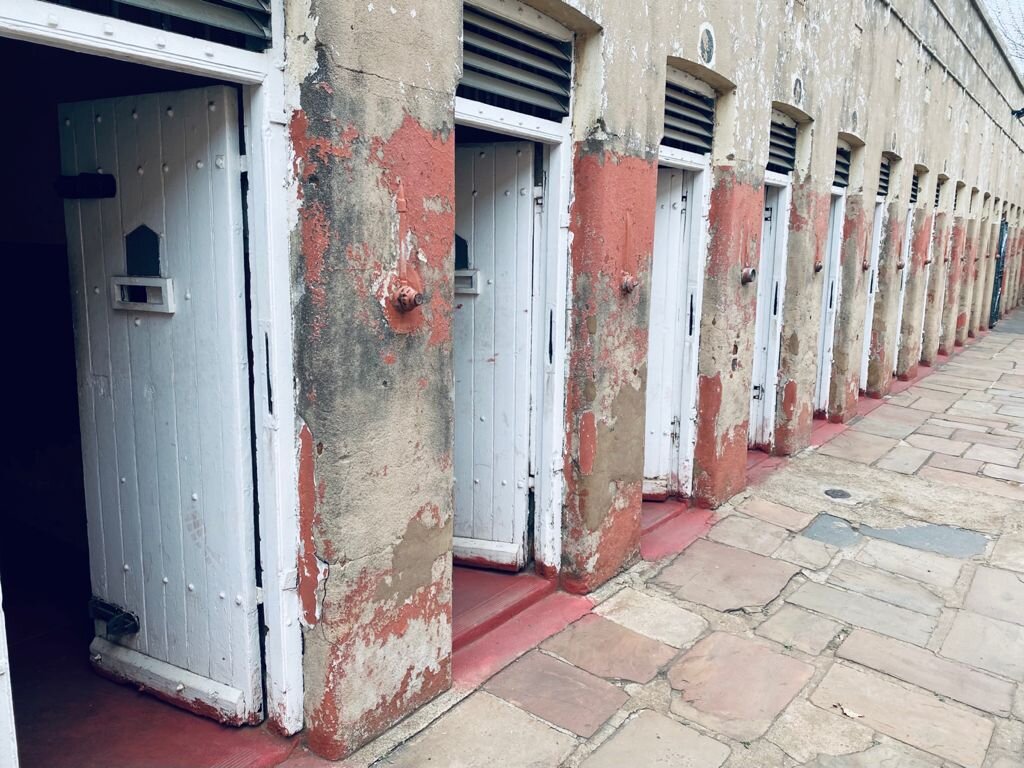
SA’s Contradictory Stance on Climate Change: The UPRDA is Turning a Blind Eye on the Climate Crisis
In this week’s AML blog piece, Wandile observes that South Africa’s Climate Change Act represents a step forward in aligning the country with global climate commitments. However, he notes that the recently enacted Upstream Petroleum Resources Development Act undermines this progress by promoting the exploration of fossil fuels. He argues that this contradiction threatens environmental rights, deepens inequality, and reveals a troubling disconnect between South Africa’s climate goals and its fossil fuel-driven development agenda.
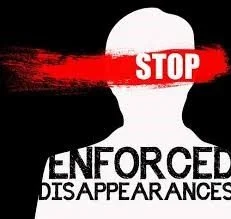
Uganda’s Ongoing Enforced Disappearances are a Threat to Human Rights
In this week’s AML blog piece, Michael examines Uganda’s ongoing enforced disappearances, highlighting the abduction of opposition supporters and critics, often by unidentified state operatives. He observes that despite being party to international conventions and having strong constitutional protections, Uganda continues to violate fundamental rights with impunity. He further details legal efforts, ignored court orders, and the involvement of senior officials, arguing that the state must be held accountable for arbitrary arrests and illegal detentions.

Blog Series: Interview with Judge Margie Victor
This video is the fourth in a series of interviews that we conducted with members of the South African judiciary to commemorate 30 years of democracy in South Africa. In this episode, Judge Margie Victor reflects on the successes and challenges of the Constitution in protecting human rights and the impact of landmark cases on the country’s democratic development.

Blog Series: Interview with Justice Steven Majiedt
In this episode, Justice Majiedt reflects on the how the judiciary has worked to safeguard democratic values and uphold the rule of law in a changing social and political landscape. Drawing on landmark cases such as Grootboom and August v Electoral Commission, Justice Majiedt explores how the Constitutional Court’s jurisprudence has adapted to meet emerging socio-economic and political challenges. The conversation also highlights some of the most influential decisions that have shaped the trajectory of democracy and the protection of human rights in post-apartheid South Africa.

Blog Series: Interview with Justice Leona Theron
This video is the second in a series of interviews that we conducted with members of the South African Judiciary to commemorate 30 years of democracy in South Africa. This interview explored the evolving role of South Africa’s Constitution in protecting democracy and human rights over the past three decades. It also covered the successes and shortcomings of the constitutional framework, the impact of landmark court decisions, and the delicate balance the Court must maintain between respecting the separation of powers and ensuring government accountability.

Blog Series: Interview with Emeritus Justice Edwin Cameron
This video is part of a series of interviews that we conducted with members of the South African Judiciary to commemorate 30 years of democracy in South Africa. In this episode, Justice Cameron reflects on the development of South Africa’s constitutional democracy since the Constitutional Court’s first judgment in 1995.

Revisiting Edward Luttwak’s Coup d'État: A Practical Handbook in the context of recent political upheaval in Gabon and the Sahel Region
In this article Professor Gerard Kamga examines the resurgence of military coups in Africa since 2020, particularly in the Sahel region and Gabon. He reflects on Edward Luttwak’s Coup d’État: A Practical Handbook, analyzing how his typology—revolutions, civil wars, and pronunciamientos—applies to recent events. and questions how accurately Luttwak’s theory captures Africa’s evolving political crises.

BLOG SERIES: THREE DECADES OF THE CONSTITUTIONAL COURT
Introducing ALM’s new exclusive interview series reflecting on 30 years of the Constitutional Court. Each week, we sit down with justices to discuss the Court’s evolving role and the future of constitutional democracy. Stay tuned for insights from Justice Cameron, Justice Majiedt, Justice Theron, and former Acting Justice Margie Victor.

Why South African workers deserve better employment contracts
In this post, Marthinus van Staden and Michele van Eck highlight a significant oversight in South Africa’s labour law framework, which allows employers to unilaterally alter working conditions without employees' explicit consent. This gap disproportionately affects vulnerable groups, who struggle to navigate contracts laden with complex legal jargon. The authors advocate for labour law reforms mandating written employment contracts and the use of plain language in all employment-related documentation.

Elections in Mozambique: Chronicles of a Crisis Foretold
In this post, Ester Stefanelli provides a detailed account of Mozambique's recent elections as well as the events that led to subsequent protests and disputes over the results. She argues that the Mozambican crisis underscores the limitations of formal elections, which can reflect incomplete constitutional transitions and may even hinder the process of democratic consolidation.
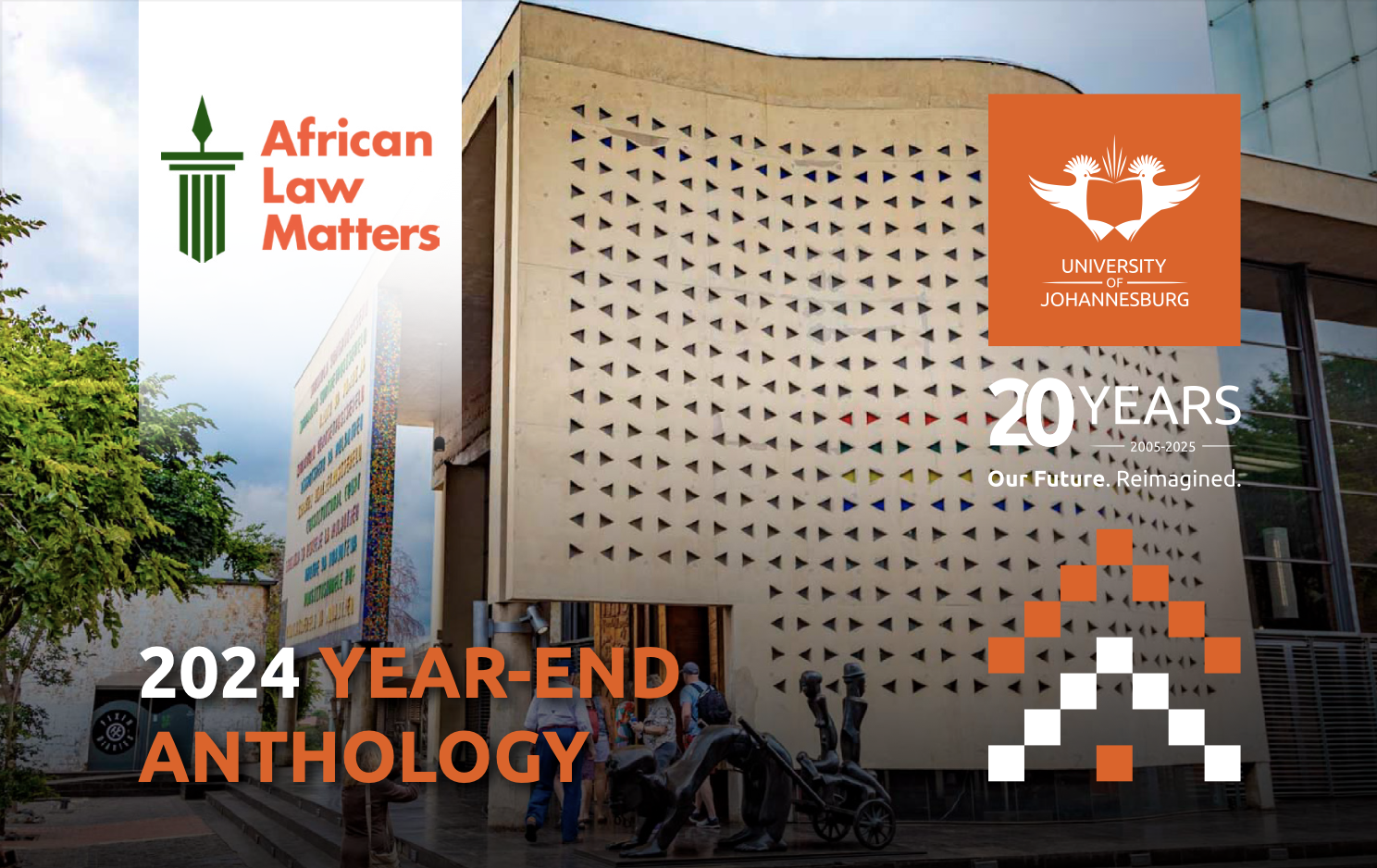
2024 Year End Anthology
The African Law Matters blog is pleased to announce that our 2024 Year End Anthology is now available online. This showcases the blog’s work and the editors’ selected publications from 2024 and can be accessed directly from this blog post.

Disability Equality in the Workplace: Making the World Differently Through Reasonable Accommodation
In this post, Justin critiques the Constitutional Court’s decision in Damons, which narrowly interpreted the duty of reasonable accommodation under the Employment Equity Act. He argues that the ruling weakens protections for persons with disabilities by limiting accommodation to meeting existing job requirements rather than transforming workplaces for inclusion. Justin advocates for a substantive equality approach, emphasizing that reasonable accommodation should not just integrate disabled employees but also reshape work environments to be more inclusive and accessible.

Temporality Matters for Women’s Equality
In this post, Meghan Campbell and Ben Warwick explain how gender inequality isn’t just about differences in status or resources—it’s also about time. The duo, observe that women often experience 'time poverty' due to unpaid domestic work, while legal systems tend to overlook how inequality develops gradually. Through case law, the authors show how rigid timelines can prevent women from accessing justice. They argue that more flexible, time-sensitive legal approaches are needed to address these structural inequalities and promote lasting gender equality.

South Africa, Rwanda and Conflict Classification in the DRC
In this post, Martha Bradley and Marko Svičevič explore how President Cyril Ramaphosa’s statement that South Africa’s military presence in the DRC is “not a declaration of war” raises critical questions under international humanitarian law. They further examine the legal implications of classifying an armed conflict as either an international or non-international armed conflict and the legal implications this holds for the parties involved.

Bwanya v Master: A Trampling of Precedent or an Evolution of Stare Decisis?
Drawing on her publication in CCR XIV, Prof. Fatima Osman examines the South African Constitutional Court's decision to depart from the precedent set in Volks v Robinson, where the court held that unmarried partners who chose not to marry could not claim maintenance under the Maintenance of Surviving Spouses Act (MSSA). In Bwanya, the court declared provisions of the Intestate Succession Act (ISA) and MSSA unconstitutional insofar as they excluded life partners who had undertaken reciprocal duties of support.
- Africa
- African Commission
- Children's rights
- Climate Change
- Constitutional Court
- Constitutional Law
- Constitutional reform
- Democracy
- Elections
- Environmental Justice
- Environmental Law
- Equality
- Human Rights
- International Law
- Kenya
- LGBTQ+ Rights
- Migration
- Namibia
- Nigeria
- Public participation
- Refugee and migration series
- Refugees
- Socio-economic rights
- South Africa
- South African Constitution
- Ubuntu
- Women in Africa
- Women's Month
- Women's rights
- World Congress
Submissions
We welcome unsolicited submissions covering current legal developments in constitutional law, fundamental rights law, public law, international law and related fields.